After Pucon we spent a further week in the Lakes District, staying in the German influenced towns of Bariloche (3 nights) in Argentina and Puerto Varas (4 nights) back in Chile.
One of the best parts about staying in these German settled towns was the German style beers. South American beers tend to taste like a watered down Heineken, so it was good to enjoy a few decent drops for a change. For anyone wanting to try at home, we recommend the Kuntsmann (hehe) Gran Torobayo and the Austral Calafate Ale.
We first visited Bariloche, where there is a real dark side to the German influence, as a number of Nazis fled there following World War 2, and even rose fairly high in the towns’ social circles. We were amazed to learn that these Nazis were welcomed by the Argentinian Government at that time, who were happy to ignore their past atrocities and saw them as highly skilled professionals across a variety of fields – basically a skilled migration intake. There is even a conspiracy theory that Adolf Hitler hid in Bariloche post-1945.
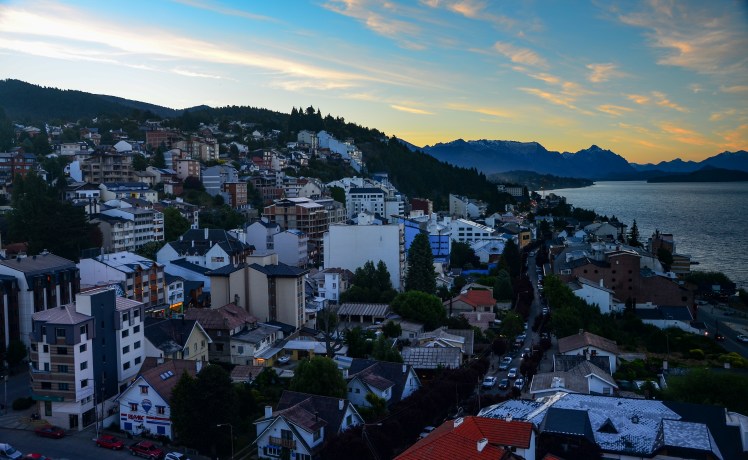
Thanks to the picturesque location on the Nahuel Huapi lake, delicious Swiss-inspired chocolate shops and (borderline kitschy) chalet style architecture, it’s fairly easy for tourists to be oblivious to this history, and the city is a very popular hiking destination in the summer and ski resort in the winter.
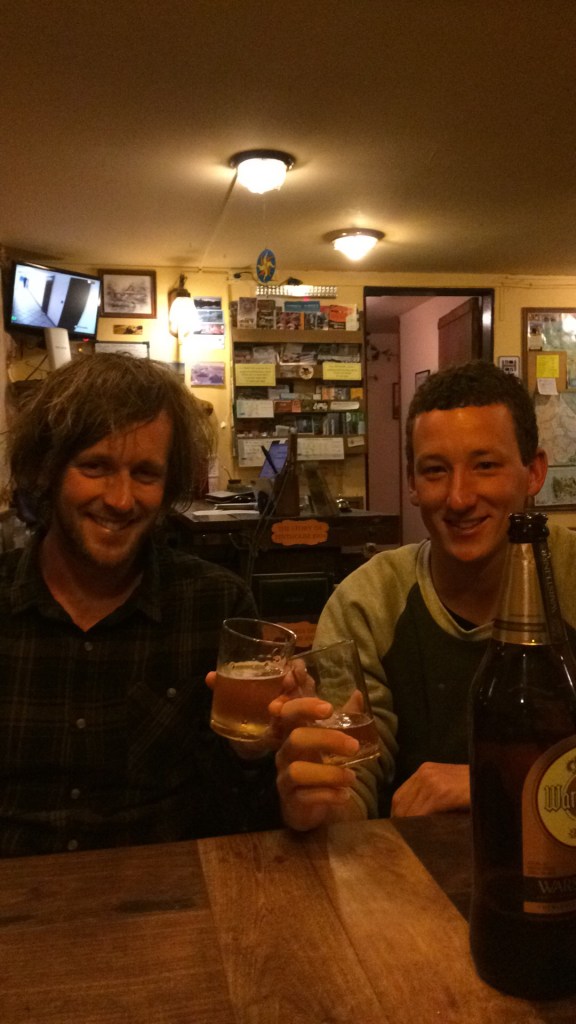
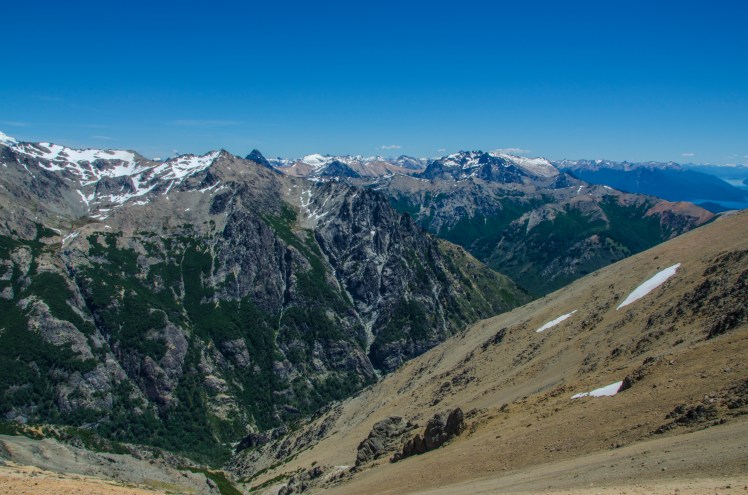
It was in Bariloche that we finally caught up with Peter, after having planned to meet him in Valparaiso a week earlier. Peter had nearly finished his trip, and it was good to hear about his travels and get some recommendations for our trip going forward. The main activity that all three of us did was a spectacular walk in the Nahuel Huapi National Park, which featured a frantic 12km dash down the valley to ensure that we didn’t miss the last bus back to Bariloche.
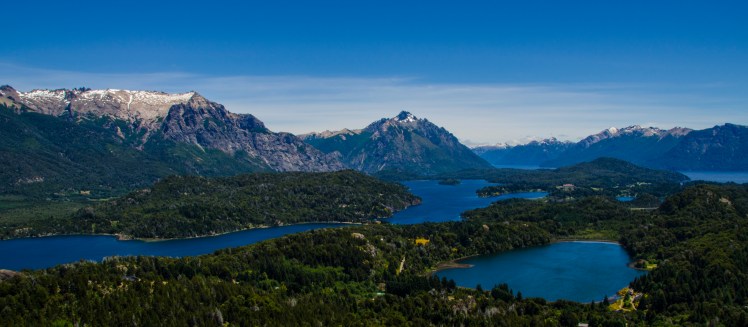
Apart from the big hike, we wandered around the city centre enjoying some free samples from the chocolate shops, and also walked up Cerro Campanario, which we thought gave better views than any viewpoint on the hike the previous day.
Obviously the brief excursion into Argentina meant two border crossings. Both of the crossings were somewhat similar in that they were located in very scenic areas and induced some mild anxiety for us. Upon entering Argentina, the immigration official was very unconvinced by Erin’s passport and thoroughly examined it page by page, asking colleagues for their opinion, while we patiently waited. On the way back into Chile, a country with strict laws on food importing, sniffer dogs checked every bag entering the country, and after three of our four bags had passed without incident, the dogs got very excited by Andrew’s daypack. The reason for the dog’s excitement was an old apple core, and he had to fill out a new entry form declaring that he had bought food into the country or be fined $200.
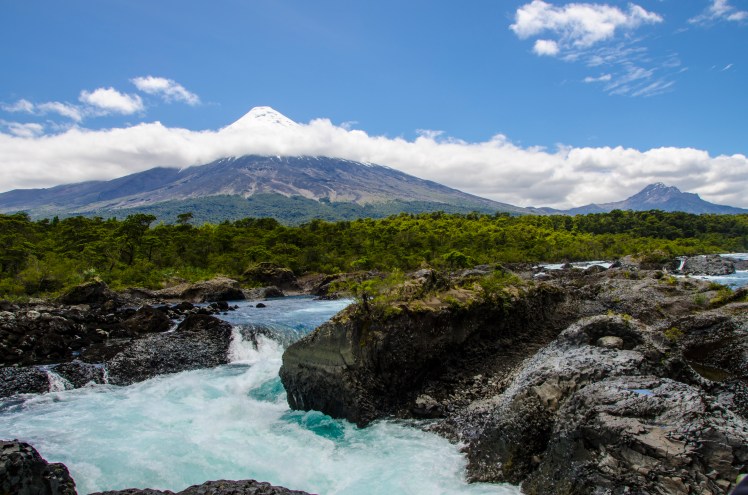
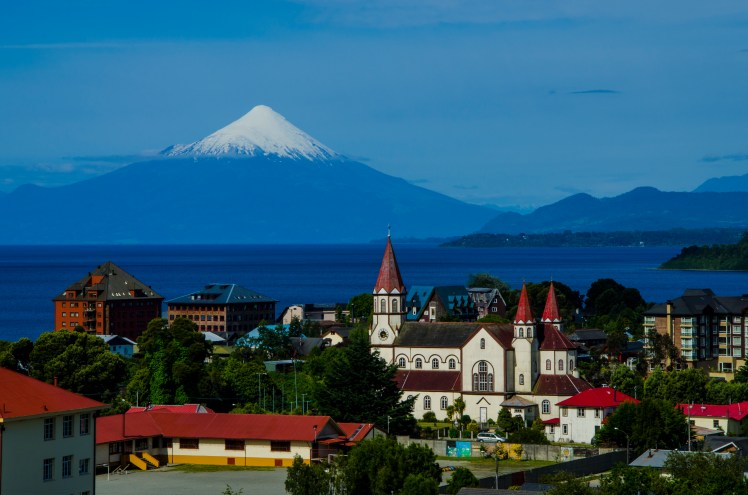
Back in Chile, aside from the German influence and historical buildings, Puerto Varas was much like Pucon. The similarity between these two Chilean towns extended to the weather, where much like Pucon, our first few days in Puerto Varas were overcast. This again meant the main drawcard of the town (Osorno Volcano in this case) was not visible initially, which allowed us to appreciate the view from the town centre even more when sky finally did clear.
Puerto Varas ended our very enjoyable one and a half weeks in the Lakes District, and from there we flew down to the wet, cold and windy but spectacular Southern Patagonia, where we’ll be spending the next few weeks.
Andrew and Erin
 dred
dred 
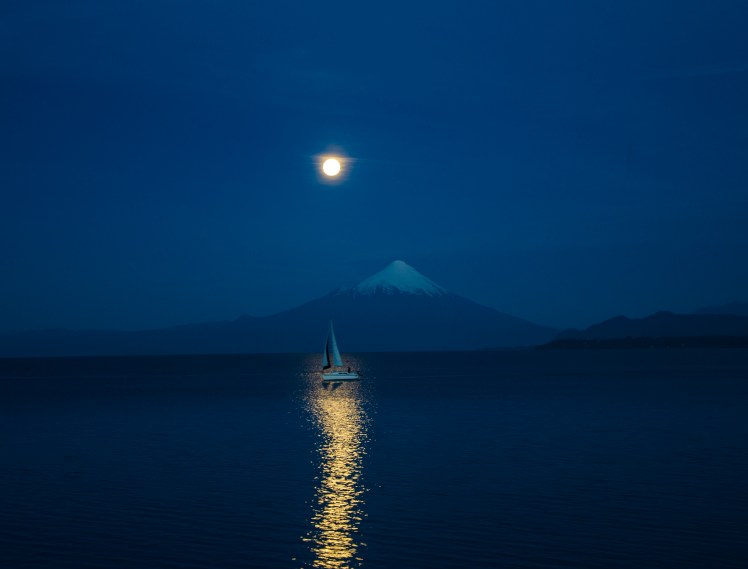
The yacht photo is so good it looks fake! M
LikeLike
Thanks, I can assure you it wasn’t! M
LikeLike