Flying into Buenos Aires from Ushuaia was a big change. Not only was it about 20 degrees warmer, it was the first major city we’d been in since we first landed in Santiago about two months before. Although we absolutely loved Patagonia, after five (expensive) weeks there we felt ready to head north. The contrast between the two locations was immediately evident as we navigated through the very crowded transport hub at Retiro in 35 degree heat.
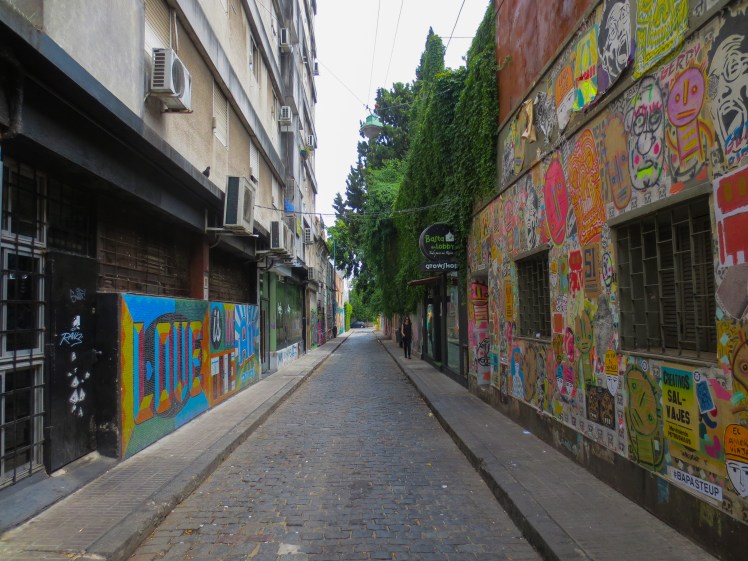
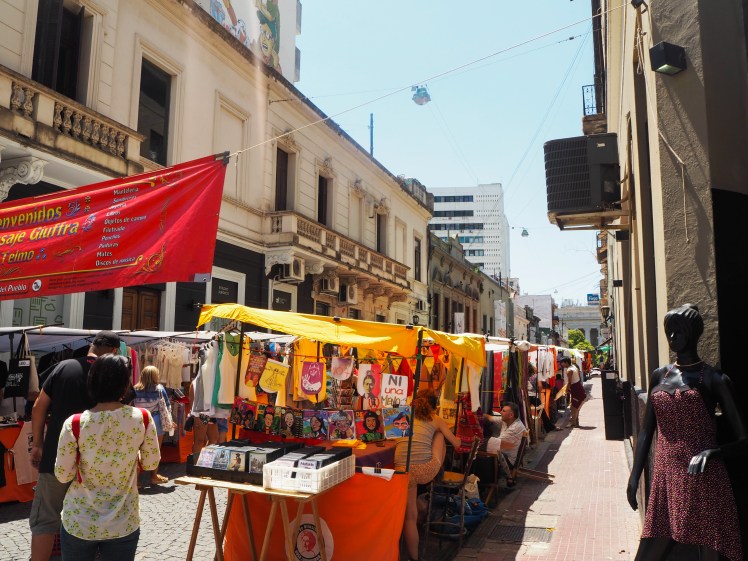
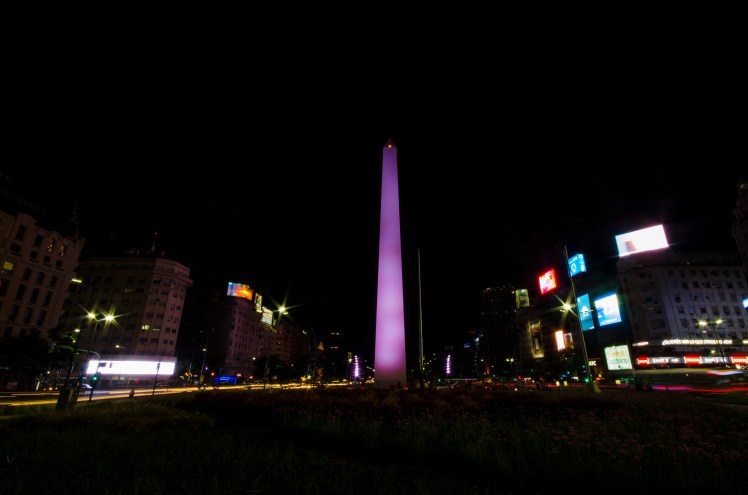
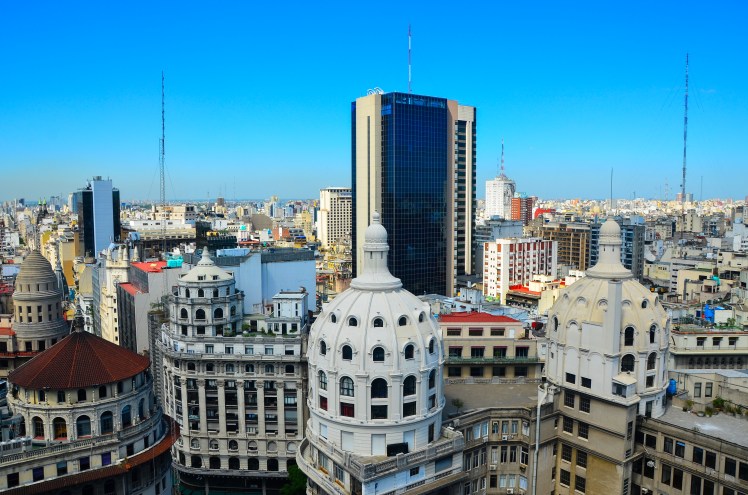
As we explored the city over the next seven days, we began to see a few parallels with Melbourne. We stayed in Palermo for the first four nights, which with its hipster bars and expensive boutiques reminded us of Prahran. Like Southbank, Puerto Madero is a somewhat recently renovated waterfront area close to the CBD full of overpriced restaurants. The slightly shabbier San Telmo reminded us a little of Collingwood and was where we stayed for the rest of our time in the city. Argentina’s economic history is reflected in the architecture of Buenos Aires – elaborate, European influenced buildings from the country’s golden age in the late 1800s and early 1900s scattered amongst run down 1970s apartment blocks.
Another difference with Patagonia was a decrease in the amount of English spoken. Most people we encountered in Patagonia spoke English to us (despite us attempting to speak Spanish to them), but in Buenos Aires it became a little more difficult. At the moment we can just get by with the minimal amount we know, but we’re very keen to get to Bolivia where we intend to enrol in a Spanish school.
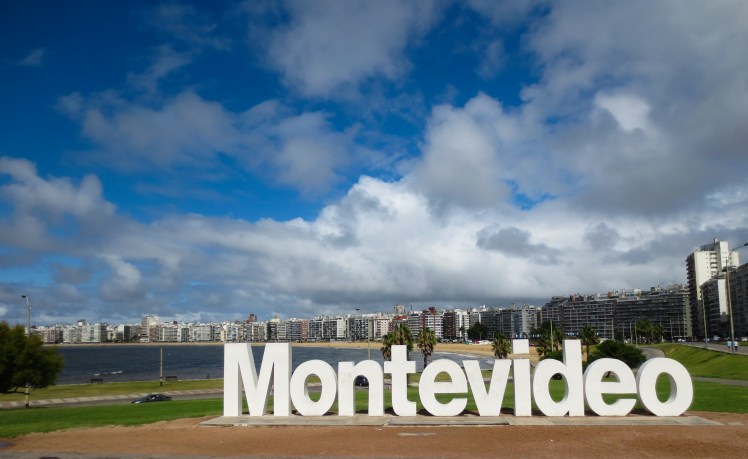
We travelled to Montevideo in neighbouring Uruguay for a few nights after our first week in Buenos Aires. The city was quieter and had a charming old town area. The guidebooks describe great beaches just east of the city, but being Australian I think we are pretty hard to please on that one. More interesting than the beaches was the Museo de los Andes, which detailed the tragic 1972 Andean plane crash and the incredible feat of human survival that followed.
The most confusing part of Uruguay was their pizza system. Both Argentina and Uruguay are crazy about their pizza, but in Uruguay they make long rectangular slabs which you can order by the quarter, half or full metre. On top of that, some places also have traditional round pizzas, but they are called ‘pizzetas’, except in the places that they are also called pizzas. With no pictures on the menu, you really have no idea if you’re getting a metre of pizza or just the normal eight slices. It all seemed like a fairly unnecessary complication of a pretty standard menu item.
From Montevideo we returned to Buenos Aires for a night and then took a bus north to Gualeguaychu, a small riverside town that hosts supposedly Argentina’s biggest Carnaval each weekend in February. Being a small town, no one spoke any English at all. Also, most of the guests at the hostel were Argentinian so we definitely stood out as being obviously gringo. It was nice to practice our Spanish and the hostel owner was one of the friendliest people we’d met so far. Unfortunately Carnaval was cancelled due to rain, but we did get to go to a local music festival on the beach which involved a lot of people dancing in not a lot of clothing (us being the exception to both, of course).
Our stay in Gualeguaychu ended with a bus back to Buenos Aires that arrived three hours late. Another reminder along with the lack of English that we are definitely not in touristy Patagonia anymore!
Erin
 dred
dred 