The capital and centre of the Incan Empire, close to 6,000m peaks, Amazon jungle and the gateway to one of the seven wonders of the modern world, Cusco is a city on the itinerary of almost every traveller to South America.
For us, soon to depart for coastal and jungle environments, it felt like the end of a significant chapter in our trip. The culmination of over two months of Andean culture and mountain scenery – with the grand finale in arguably the most famous Andean city of them all.
I found Cusco to be underwhelming. It’s a city based almost entirely around tourism, and it feels like everyone in the city centre is trying to get their piece of the tourist pie. This has resulted in a proliferation of tour agencies. A small number of companies actually administer the trips, but you can buy them from small shop fronts all over the city.

This sounds convenient in that you’re never far away from a place to organise one of the many great tours offered from Cusco. In actual fact it’s just incredibly annoying having to respond to every third person you walk past that no, you don’t want to go to Machu Picchu with them. And that no, you don’t care they have a special price.
When you add to this a bunch of people selling you artwork, offering massages, or trying to get you to eat at their restaurant, you get the Plaza de Armas in Cusco. This plaza has the honour of being both one of the nicest looking and also one of the least enjoyable main squares across all of South America.
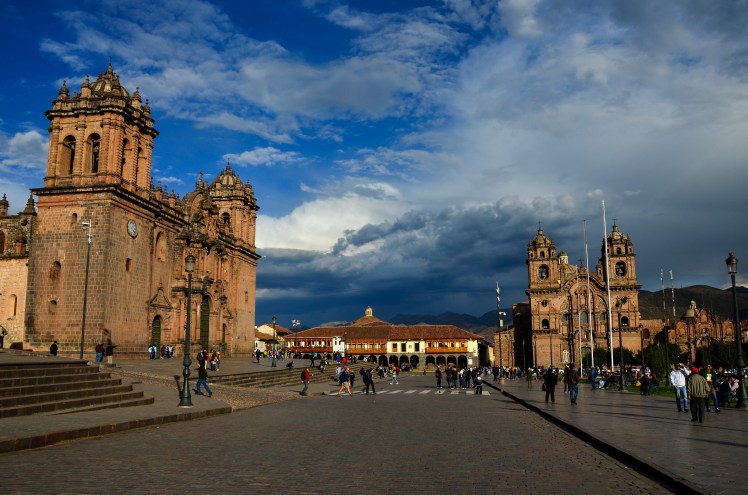
It’s hard to not get frustrated or rude when dealing with these sellers, but the reality is they are just doing their job – and in Cusco tourism is probably the best way to earn a living and support your family. We tried to remain as nice as possible while saying “no gracias” to all these approaches, but it gets difficult when you’re asked by three different people during a five metre stretch if you would like a massage.
This commercialisation is not only evident by the thousands of tourism workers, or the McDonalds in the main square, but also by the use of “Inca” as a brand. It’s all over Cusco. The Inca Wasi hostel. Inca Kola. Inkafarma. Inca Rail. The list goes on and on. From everything I’ve read about the Incans, I don’t think pizza was a big part of their diet – the food that formed the majority of the menu at the “Inca restaurant” close to our accommodation. I guess at least it didn’t serve Spanish food.
To be fair to Cusco, there are reasons why it’s so touristy. For someone either with a lack of time or only a fleeting interest, it’s the perfect place to soak up Andean culture for a day or two. You can get your llama jumper, photo with a Cholita, learn briefly about Incan history and then tick Machu Picchu off the bucket list.
Maybe my bitterness also stems from our last day in Cusco, when we had decided to do the full-day tour to Rainbow Mountain. Outside the hostel at 2:55am ready for our bus, it took until 5:00am to definitely conclude that even allowing for “Peruvian time”, the bus wasn’t coming.
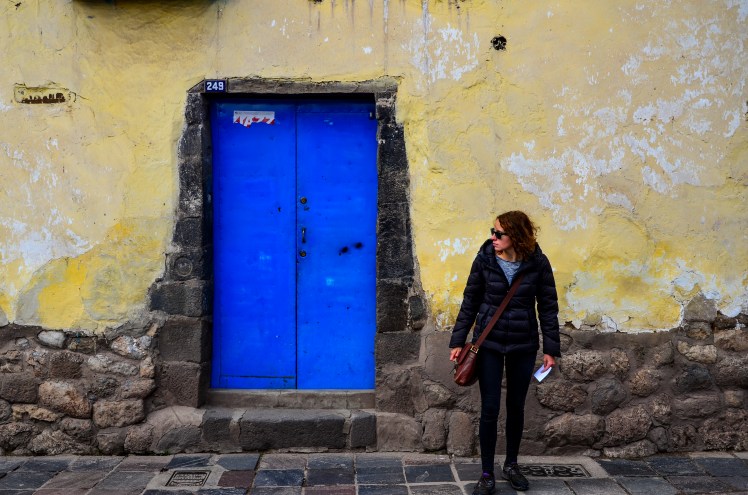
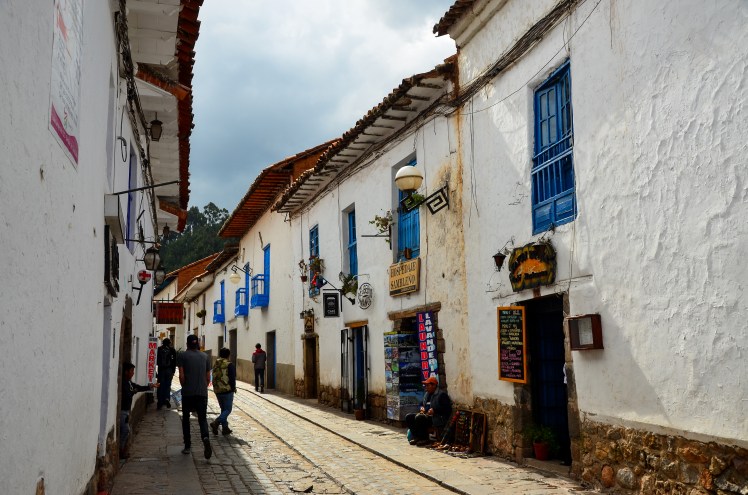
We did manage to enjoy some parts of the city. The Incan museum was great, and Coricancha fascinating. The quiet suburb of San Blas was great to explore, in stark contrast to the main square. Food options in Peru continued to be miles better than anything offered in Bolivia. We also enjoyed the city walking tour, although the fact there were at least four different companies offering walking tours in a city not much bigger than Canberra perfectly encapsulates my issues with the city.
Cusco is basically the VB of the Andean world. Both are convenient, over-consumed and adequate to satisfy a craving. But when it’s available, I’m going to enjoy the craft beer more than a VB. And I certainly enjoyed other areas of the Andes more than Cusco.
Andrew
 dred
dred 