Into the White

The Drake Passage is known as the roughest sea in the world. Prevailing strong winds, no land to slow down the momentum of the swell and it being the convergence of the Southern, Pacific and Atlantic Oceans conspire to create a waterway that sees regular storms and swells frequently over 15m high.

During our safety briefing on our first afternoon on board our ship, the MV Ushuaia, we were warned that the forecast for the Drake wasn’t very good. This vague forecast got even more confusing when it was clarified that it wasn’t the worst forecast, but not the best. Whatever that means.

dsc_0332-edit

Both of us were fairly anxious heading into our Antarctic trip, first and foremost due to this crossing. Videos and articles online didn’t help either. Quotes like “most people on our boat thought they were going to die” and YouTube videos of “huge swells on the Drake passage” certainly didn’t help ease our fears.

These thoughts were occupying our minds as we went to bed on our first night on board. We were due to hit the Drake at midnight, and the boat was already starting to roll as we tucked ourselves into bed about 11.

While not the best night’s sleep we’ll ever have, the next morning we were ecstatic. The Drake had struck its first blow and we had passed with flying colours. Neither of us had been seasick, or felt too scared at any stage. Only one more day of this and we’d be in Antarctica.

I started thinking about how well I’d managed to handle the night. Maybe I’m just a natural sailor. Of the few skills you are blessed with in life, maybe having really good sea legs was one of mine. This state of elation was interrupted by the expedition leader’s morning message over the loudspeaker.

“Good morning ladies and gentlemen. Due to some poor weather, we have delayed our entrance to the Drake Passage and have remained in the Beagle Channel until further notice”.

Or words to that effect. I was so traumatised I can’t recall exactly what was said.

The captain’s decision to delay crossing the Drake proved to be the right one. Our guides told us we were experiencing a very relaxing crossing. Mind you, we still faced swells of around four or five meters, and were kept awake at night rolling across our beds into either the safety bar or the wall depending on what side the boat sloped. These (relatively) calm conditions also weren’t enough to stop people on the boat getting seasick, although luckily enough Erin and I were not among them.

We probably have the seasickness tablets to thank for not being sick at all, although the side effect was that we were incredibly drowsy and could not concentrate on anything for the first couple of days. During the crossing of the Drake Passage the crew had organised a bunch of lectures and movies, and while I attended these events, I wasn’t close to taking anything in.

This brings me to the other reason we were anxious about this trip. It’s the most money I’ve ever spent on anything. After three and a half days on board staggering around in a Dramamine induced haze and having not yet made it to Antarctica, I was really starting to wonder if I was going to regret this trip.

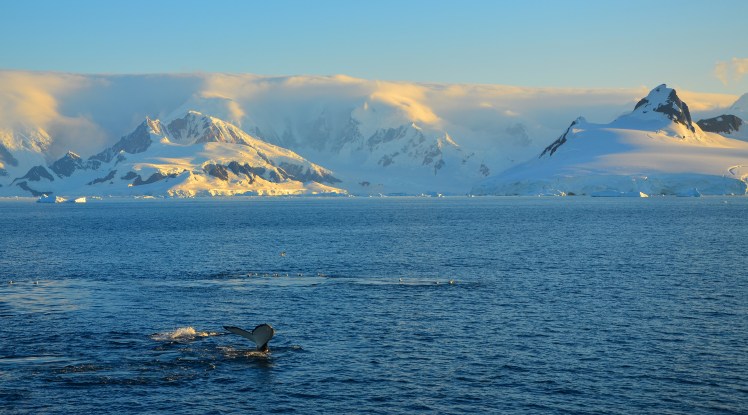
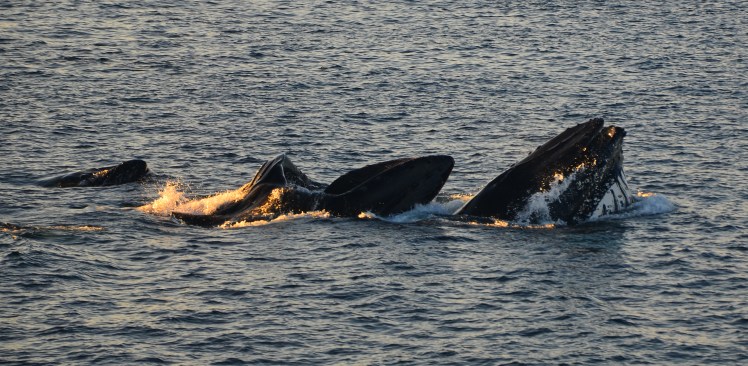
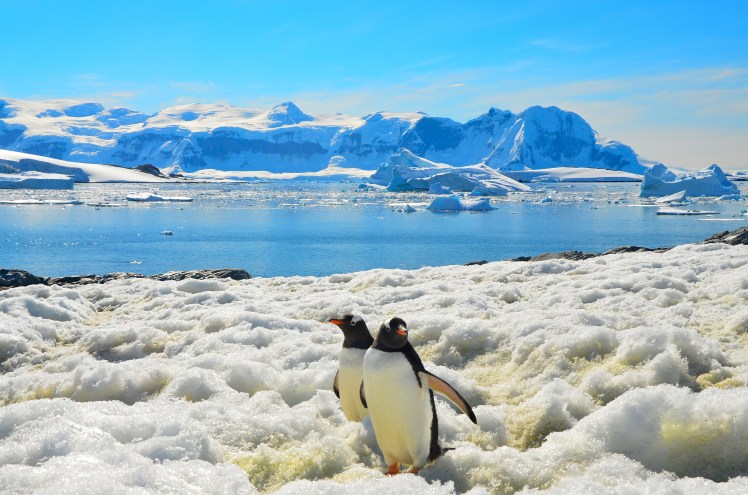
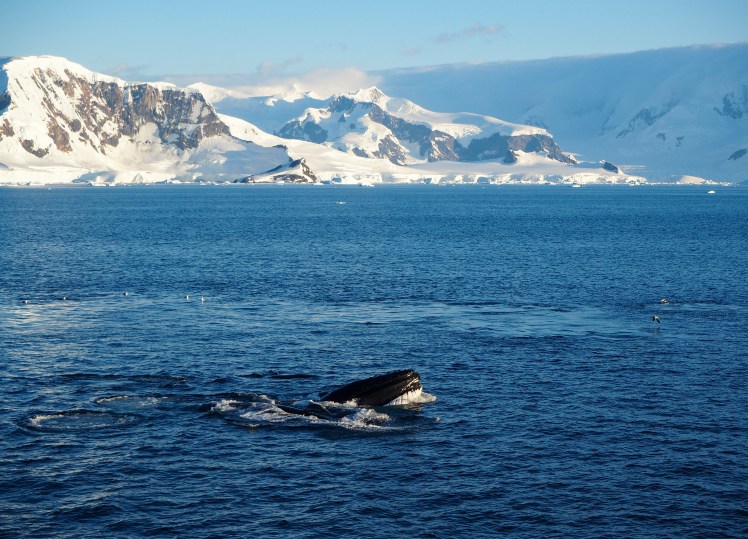
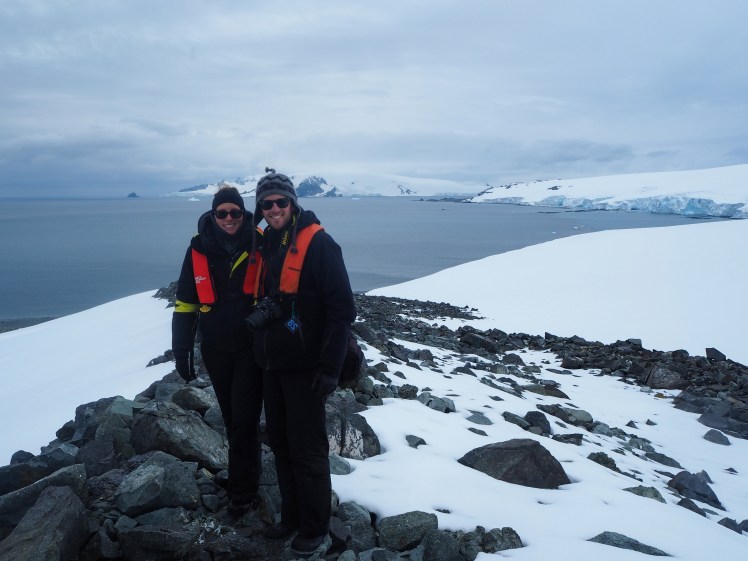
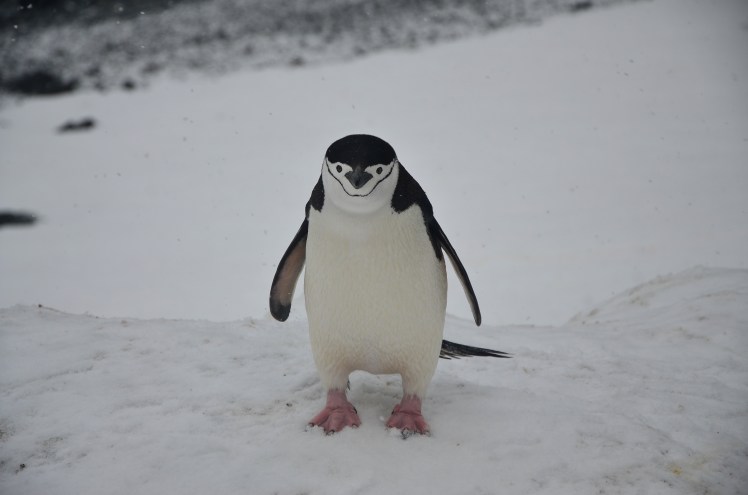
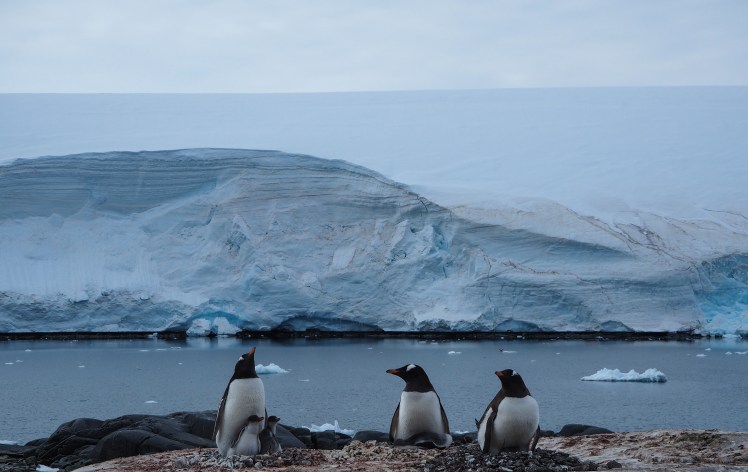
Our fourth day was great, with some whale sightings and our first two landings. Both of these landings were in the South Shetland Islands and were the first experiences for both of us of being around wildlife that was not scared of humans, which was pretty special.
dsc_0773-edit

OLYMPUS DIGITAL CAMERA

That said, after some poor weather the next day, resulting in three cancelled landings, we were half way through day five out of 12, and I was still very worried that this trip was a giant mistake.

Luckily, the sun came out that afternoon and stayed that way for the rest of the trip, and it quickly changed from a potential big mistake to one of the best things I’ve ever done.
dsc_2684-edit

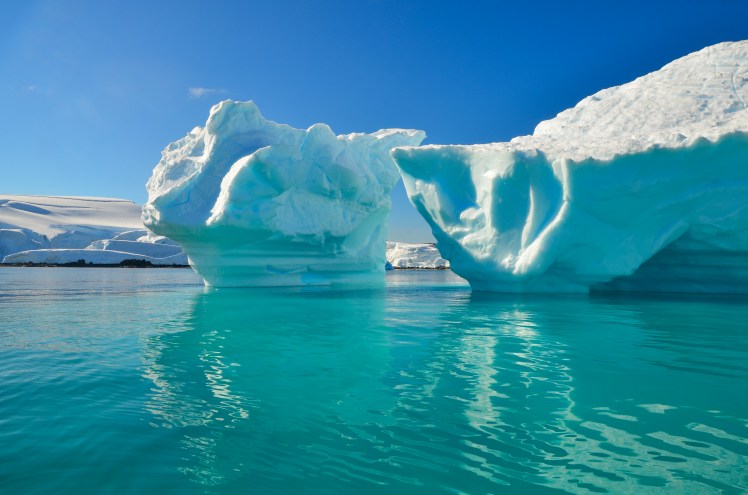
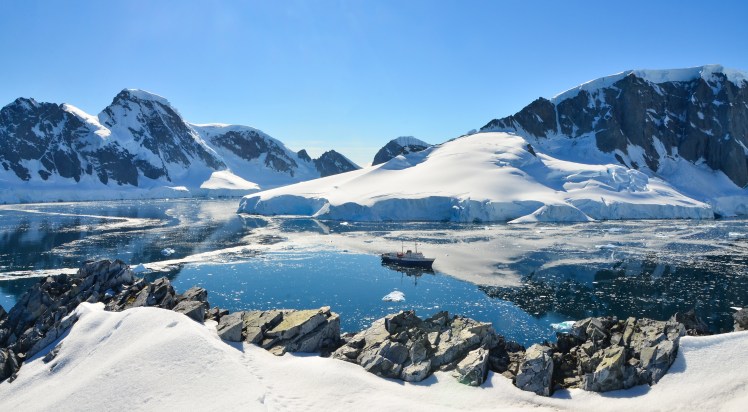
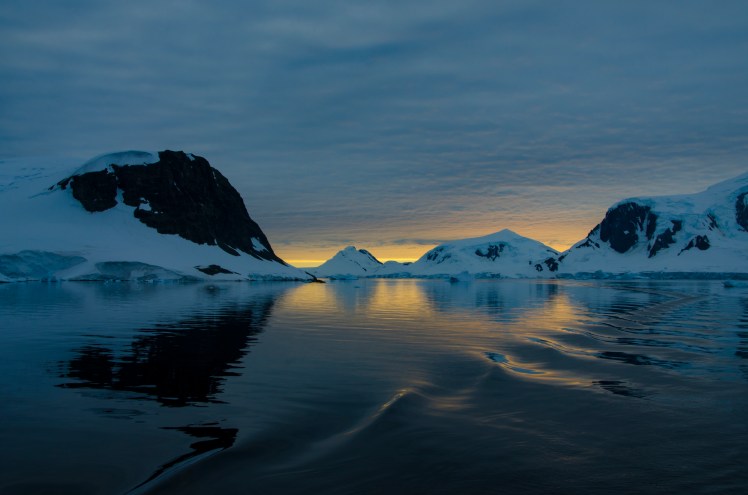
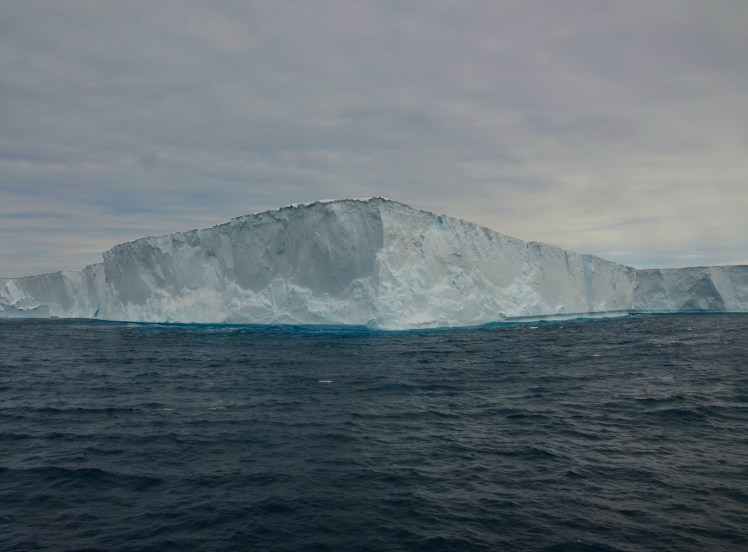
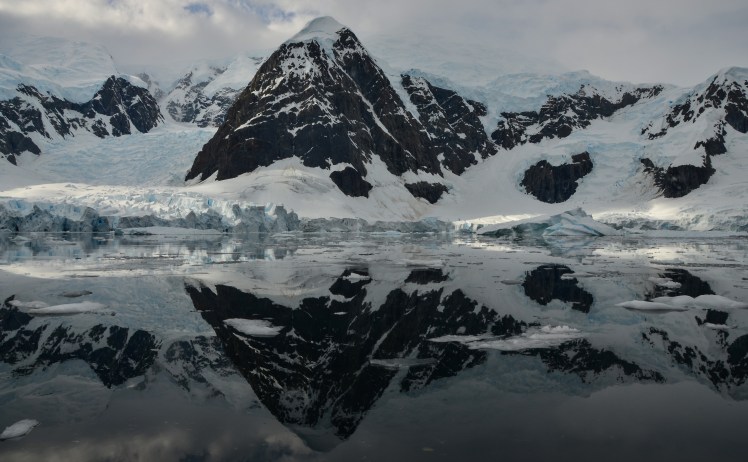
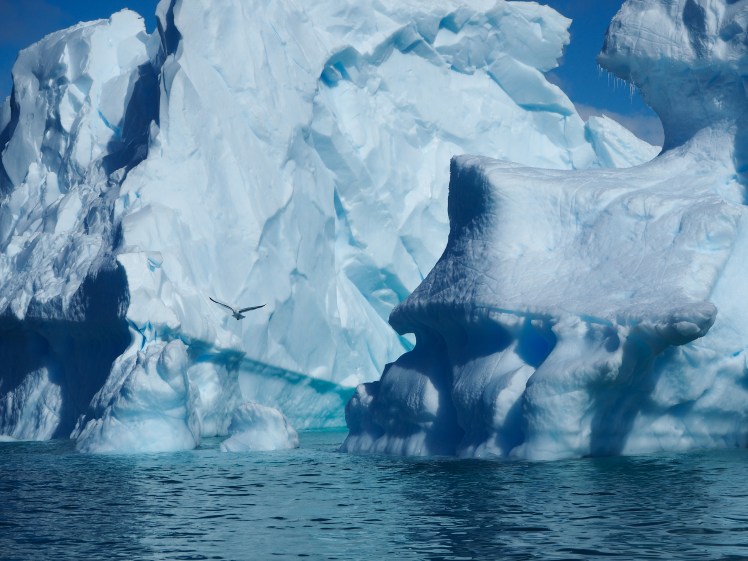
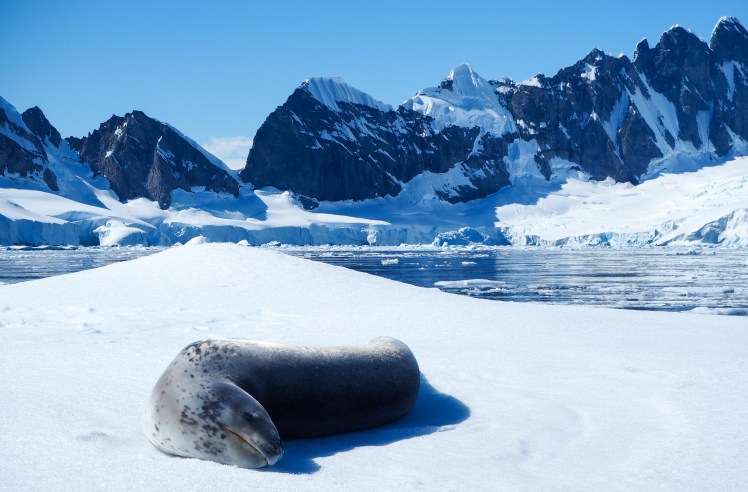
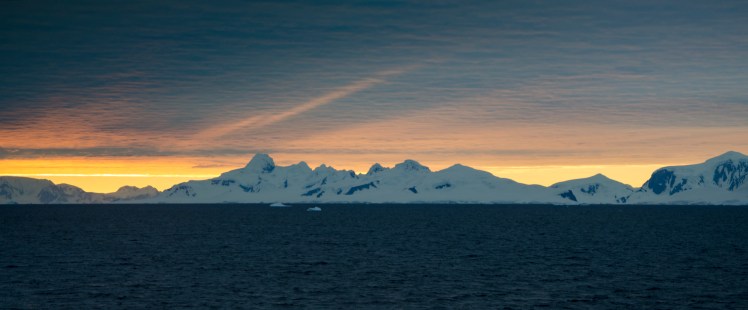
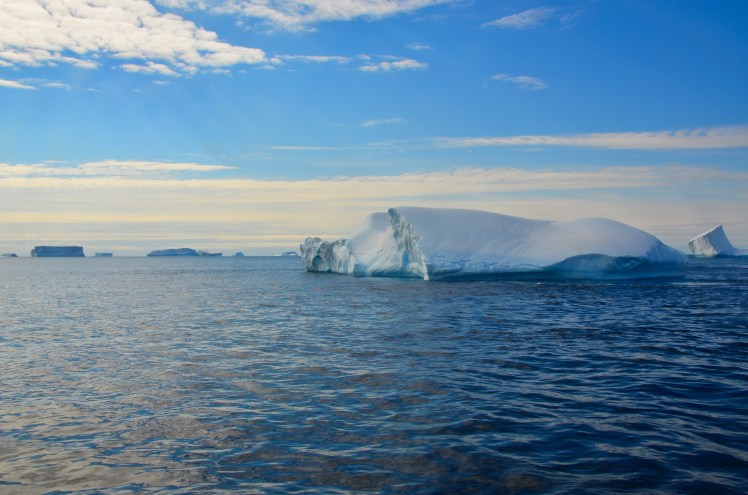
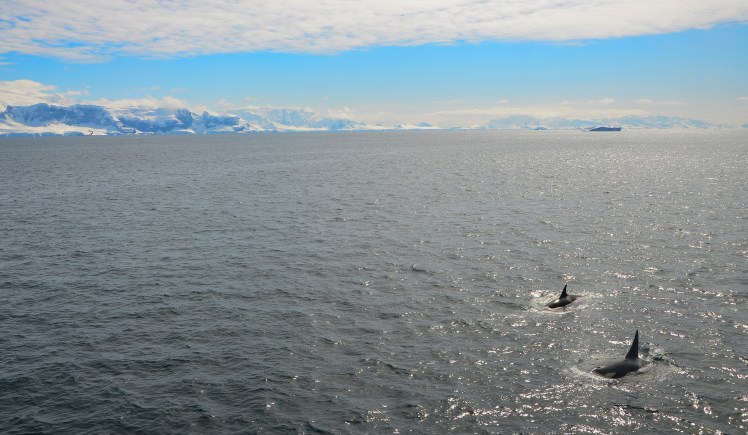
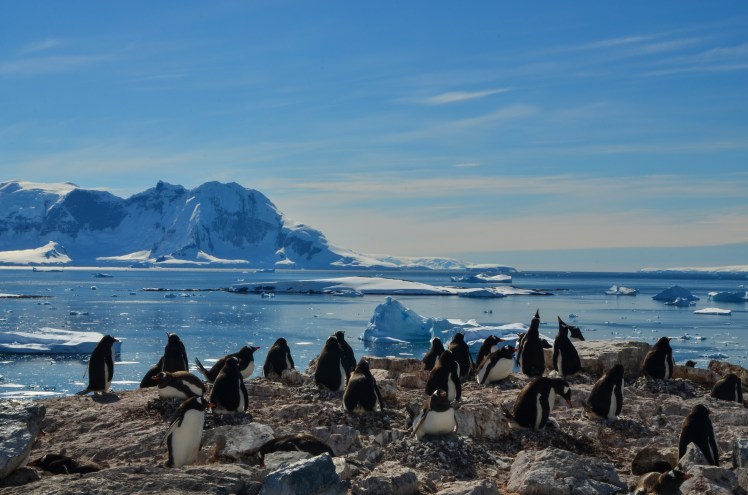
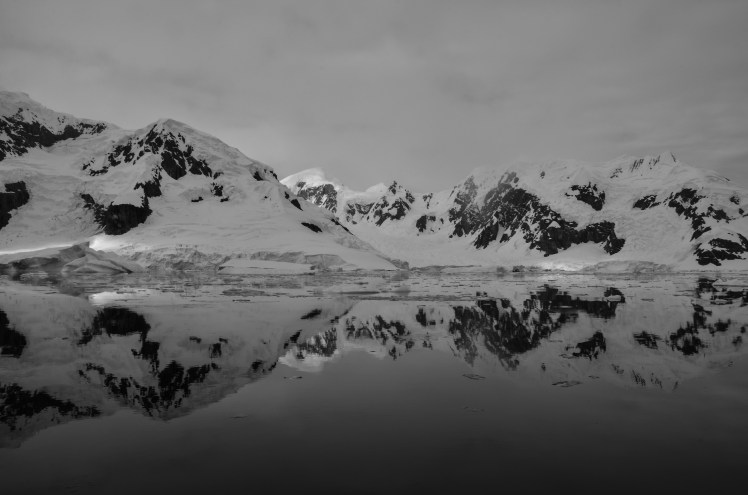
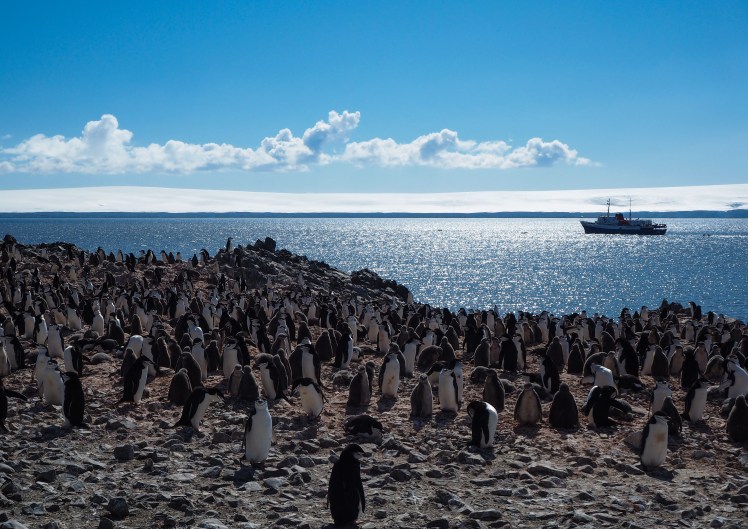
Photos don’t quite capture how beautiful Antarctica is, and it’s certainly well above my writing skills to do it justice. All I will say is that the remaining four and a half days included penguins close up, a pod of orcas next to the ship, whales breaching, penguins, giant icebergs, dramatic landscapes, mirror like reflections, snow slides, copious amounts of delicious food, glaciers and even more penguins. dsc_3669-edit
dsc_4297-editdsc_5197-edit

 Some places are tourist attractions due to the abundance of wildlife. Some are due to the incredible scenery. Antarctica combines both of these, while also allowing you to get closer to the wildlife than almost anywhere else on the planet. Although, it feels strange to compare it to the rest of the planet. It felt like a completely different world to me.
dsc_5578-edit

It’s not for everyone, and it costs a lot. But, if you’ve ever thought Antarctica would be a great place to go, I’d strongly recommend it. Especially given who knows what it will look like in 50 years. It was almost enough to make me forget we still had to cross the Drake again…
dsc_5880-edit-bwOLYMPUS DIGITAL CAMERAdsc_6318-edit-rawdsc_4698-editdsc_2233-editdsc_5877-editdsc_4840-editOLYMPUS DIGITAL CAMERAdsc_6224-edit-rawdsc_5684-editOLYMPUS DIGITAL CAMERAOLYMPUS DIGITAL CAMERAdsc_6356-edit-rawOLYMPUS DIGITAL CAMERA

Andrew
A Sneaky Side Trip

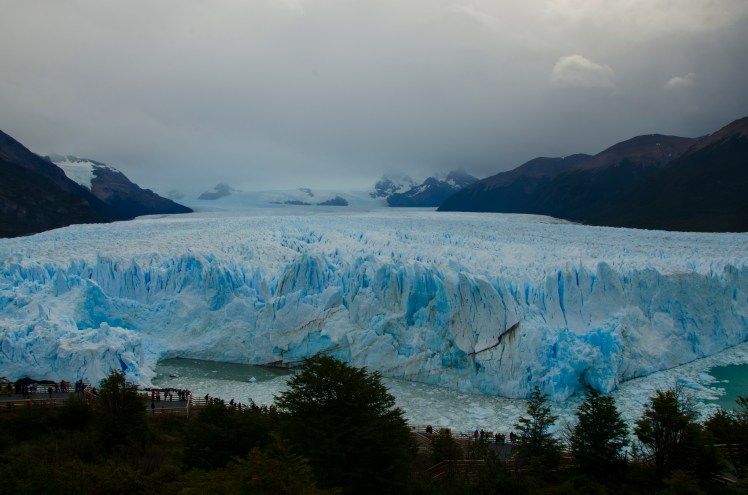
The gap between booking and leaving for Antarctica was a perfect opportunity to head north to Los Glaciers National Park. We flew from Ushuaia to El Calafate on New Year’s Eve and visited Glacier Perito Moreno on New Year’s Day. It seems to be a common theme in Patagonia that photos do not do the scenery justice, and I think the glacier is one of the biggest examples of this. The glacier is constantly rumbling and creaking, and occasionally huge chunks of ice break off and fall into the water. Photos obviously don’t convey this or how imposing the structure is.

dsc_8615-edit-raw

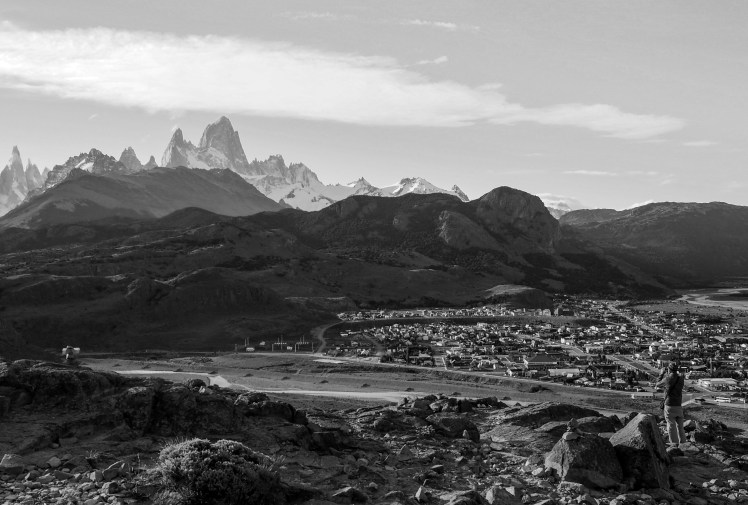
After a couple of nights in El Calafate, we took a three hour bus to El Chalten, a cute little hiking down at the base of Cerro Torre and Mt Fitz Roy.

OLYMPUS DIGITAL CAMERA
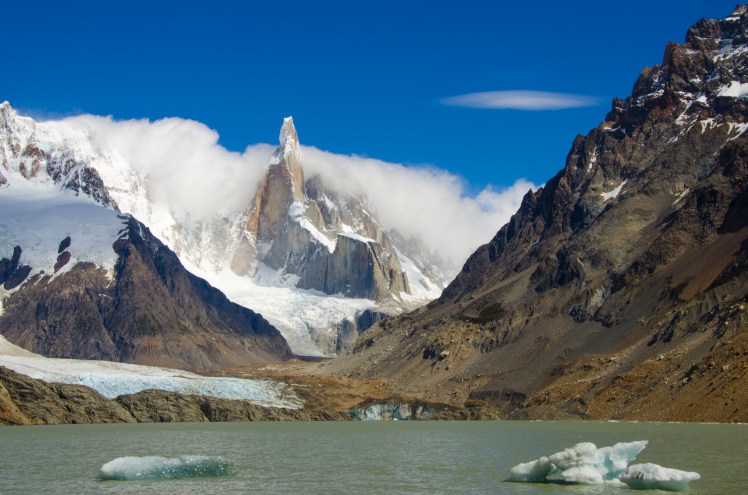
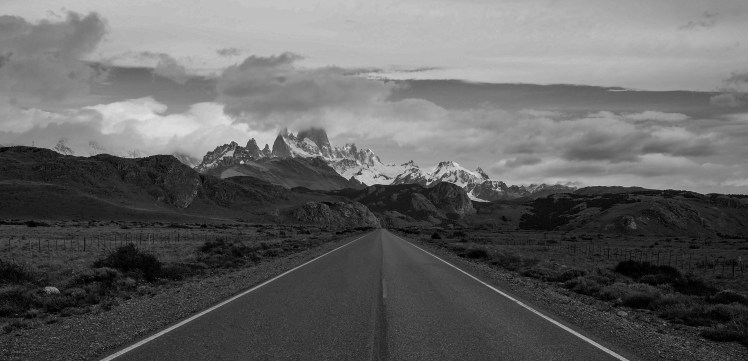
Cerro Torre and Mt Fitz Roy overlooking El Chalten

Even after travelling through Patagonia and Ushuaia, we found El Chalten to be quite expensive. Only formed in 1985, it is solely a base for climbers and trekkers who have no choice but to pay ridiculous prices for groceries and camping supplies. We thankfully took the advice given to us in El Calafate to get money out there instead of in El Chalten, as lines for the ATM in El Chalten are always long and it often runs out of cash. This can result in headaches for travellers as most places accept cash only.

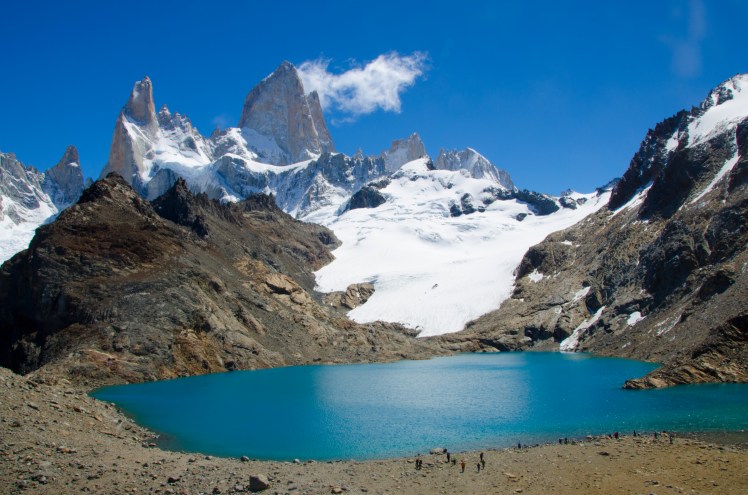
Bad weather followed us here as it had throughout Patagonia, but we had luckily allowed for this and booked an extra few nights to complete the two major day walks around El Chalten. The decision paid off and the boring rainy days at the hostel were totally worth waiting for these views:

dsc_8942-edit-raw
Mt Fitz Roy
dsc_9360-edit-raw
Cerro Torre

OLYMPUS DIGITAL CAMERA

Erin

The End of the World

Ushuaia is located very far south. So far south it’s a six hour drive from the bottom of the Americas continent. So south we drove through a snowstorm in the middle of summer on arrival to the city. So south it’s the starting point for most visits to Antarctica.

If the weather and Antarctic bound vessels in the harbour aren’t enough of a reminder for how far south you are, the fact the town slogan of “the end of the world” is plastered everywhere certainly is. The city of Ushuaia’s main claim to fame is that it’s the southernmost city in the world.

It’s seriously everywhere. The end of the world train. The end of the world sign by the harbour. The end of the world museum.

There is only one problem with all of this. Located even further south is Puerto Williams, a town on the Chilean island of Navarino. Now on a technicality, Ushuaia can claim to be the southernmost city in the world, as Puerto Williams is only a town. However, it’s not like Puerto Williams is just three houses and a general store – more than 2,000 people call it home and it has seen a large increase in its population in recent times.

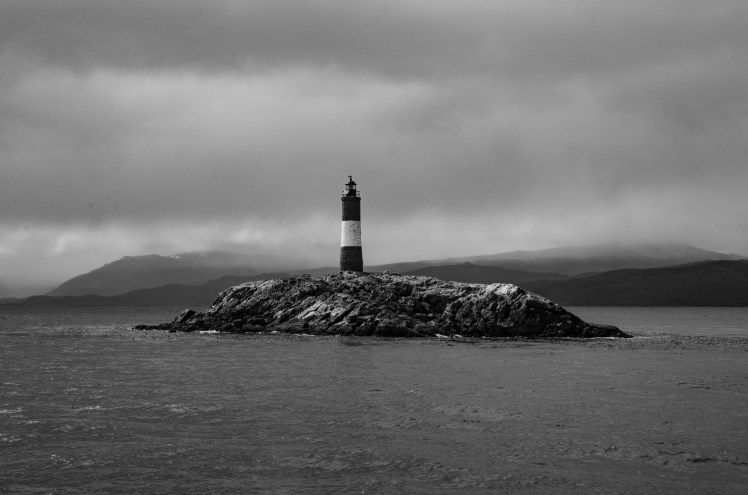
It will be interesting to see what size Puerto Williams needs to reach before Ushuaia can no longer claim it is the southernmost anything. Based on similar examples, all evidence points to Ushuaia just ignoring any competition. Indeed, as we passed a lighthouse on a tour of the Beagle Channel, our guide said that we may have heard it called the “lighthouse at the end of the world” (there we go again…), as it’s the most southern lighthouse in Argentina. This completely ignores the fact that the actual southernmost lighthouse in the world is located over 100km further south on the Hornos Islands in Chile.

dsc_7586-edit-raw-bw

I don’t think this is a huge problem or anything, but it is funny that a number of travelers come to Ushuaia purely to have been to the “end of the world”. A few people at our hostel told Erin it was the reason they were in Ushuaia for New Years. It would’ve been funny to be there when they realised they were going to have to go a bit further south to tick that one off the bucket list.

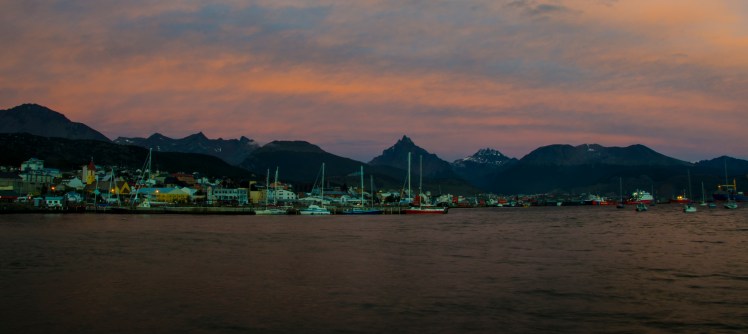
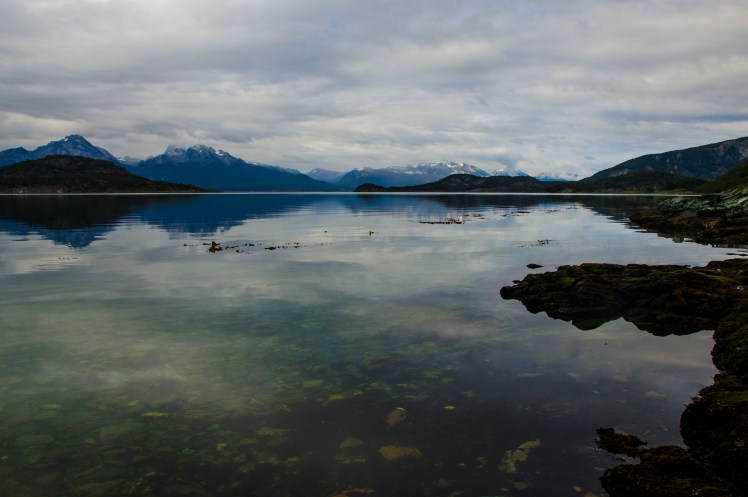
It also does Ushuaia a massive disservice. It’s a great city in its own right. Surrounded by mountains on three sides and the Beagle Channel on the other, the location is beautiful. There is an impressive national park nearby, an interesting history as a penal colony and no shortage of things to do.

dsc_7972-edit-raw

Our week in Ushuaia could be divided into two distinct halves. The first three days were spent struggling to find places that were open over the Christmas period, and trying to organise a last minute deal on a trip to Antarctica.

With considerably lighter pockets in the second half of the week, we were able to take advantage of being offered free places on some tours around Ushuaia run by the company we booked our Antarctic trip with.

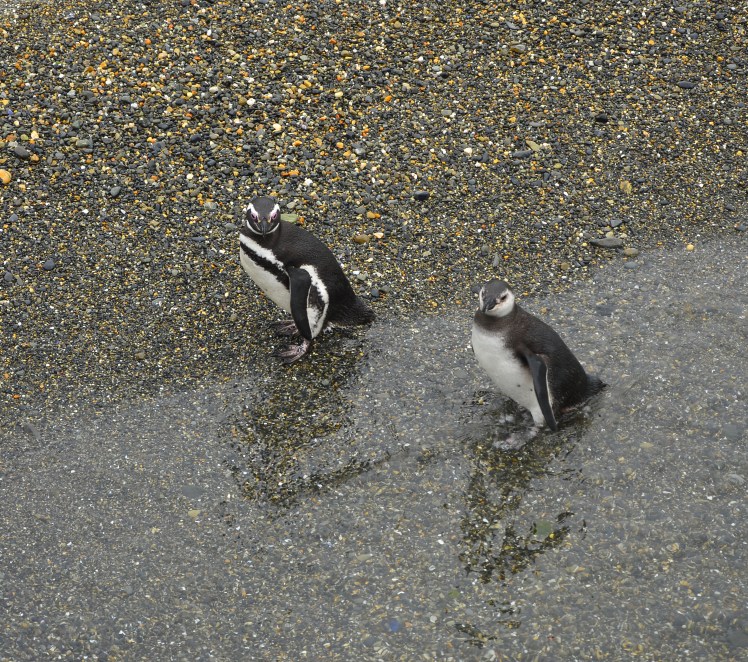
On these tours we took a boat through the Beagle Channel to an island full of penguins (Magellanic, Gentoo and one King), saw the main sights of the Tierra Del Fuego National Park and checked out a few lakes to the north of Ushuaia.

dsc_7752-edit

dsc_8017-edit-raw

These tours further proved to me that, where possible, I’d rather avoid a tour group and do something independently. I find it hard to make any connection with a place when, along with twenty other people, you jump out of a bus for five minutes to take a photo and then it’s back on board and straight to the next sight. You’re also bound to get at least one annoying person in the group, who you can’t get away from for the duration of the tour.

That said, with around $400US worth of tours given to us for free, it was a pretty handy way to see a number of the main attractions around Ushuaia.

As our Antarctica tour doesn’t depart Ushuaia until the 10th of January, we’ve decided to fly north for a week and visit the two towns based around the Los Glaciers National Park in Argentina, El Calafate and El Chalten. Then we’ll fly back down to Ushuaia and on to Antarctica for 12 days. We couldn’t be more excited. From the place that calls itself the end of the world to the place actually located at the bottom of the earth. Fingers crossed the Drake Passage plays nice.

Andrew
Torres del Paine

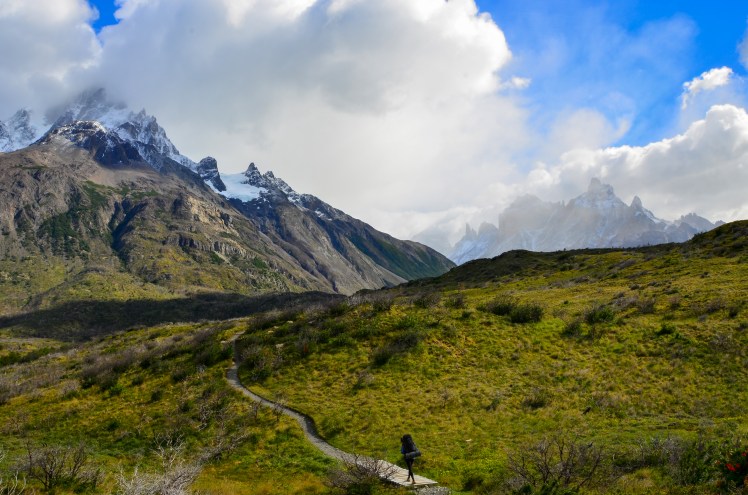
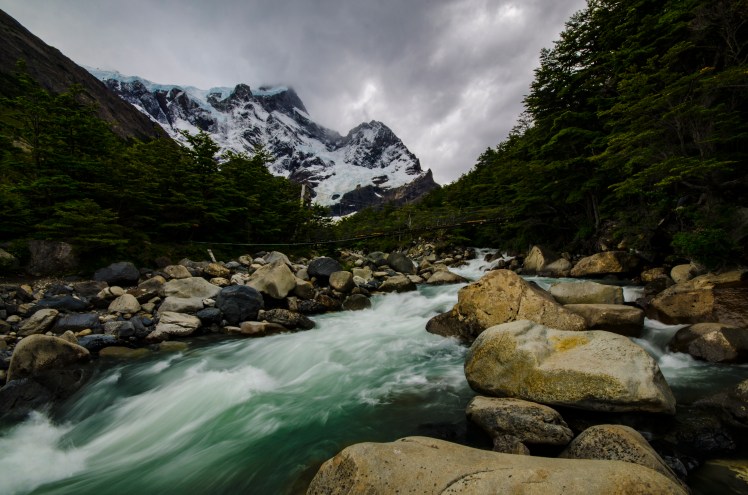
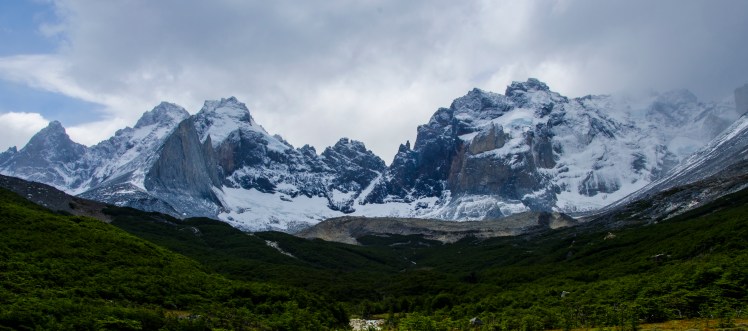
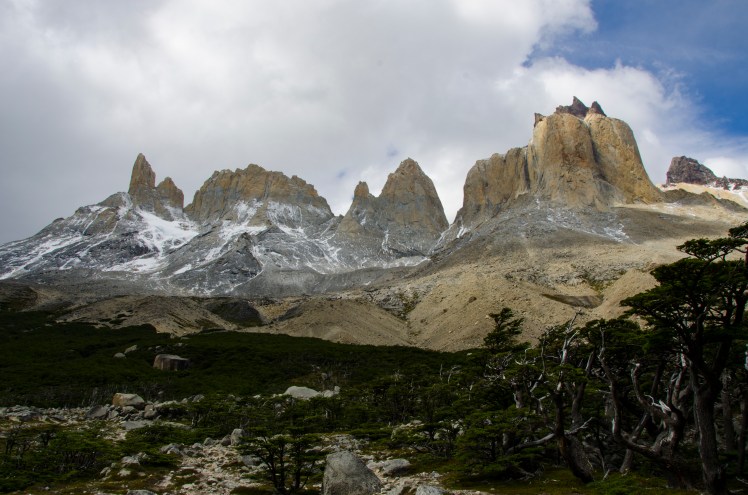
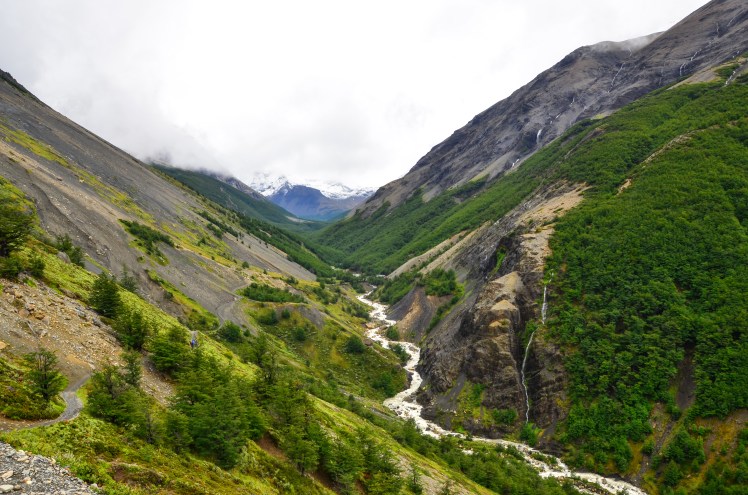
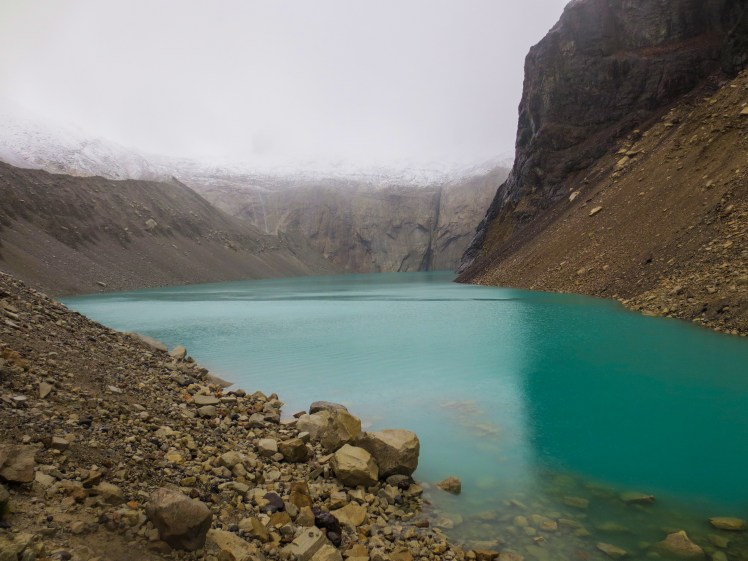
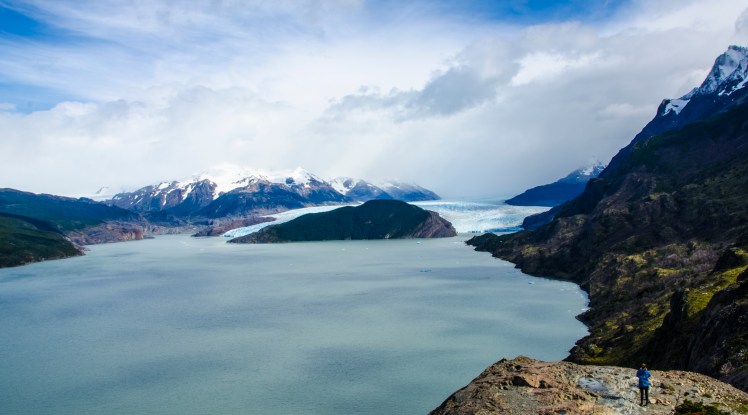
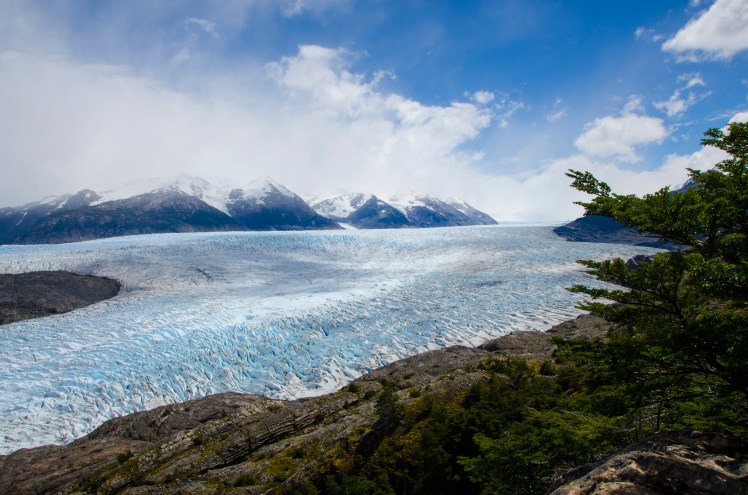
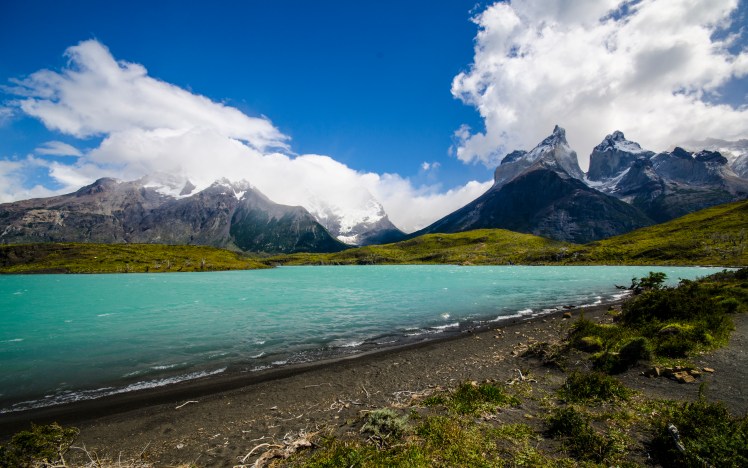
We spent 5 nights camping in the Torres del Paine National Park. The Torres were covered in cloud the day we were there, but we were lucky to get great views of the Valle del Frances and Glacier Grey. Given the volatility of the weather in this area, we were pretty happy with that result!

Day 1 – Puerto Natales to Campamento Paine Grande

It was raining in Puerto Natales and not much had changed after the 2hr bus trip to the park. We didn’t do any walking on this day as the track we were planning to hike was closed, so we took the catamaran to the campsite, set the tent up and settled in for a cold and windy night.

Day 2 – Campamento Paine Grande to Campamento Italiano + Valle del Frances (19km)

Erin really struggled for the first three hours of this day, as our weight distribution between the bags was very poor and she ended up carrying far more than she should have. Once we ditched the backpacks at Campamento Italiano, the day was a lot more comfortable.

dsc_5721-editdsc_6065-edit-rawdsc_5908-edit-rawdsc_5893-edit-raw

Day 3 – Campamento Italiano to Campamento Torres (24km)

This was a long day. We had to set up our tent in the rain, and this combined with our already soaked gear meant that we couldn’t dry ourselves and were incredibly cold all night.

dsc_6207-edit

Day 4 – Campamento Torres to Campamento Paine Grande (9km)

Our alarm sounded at 4am in order to get up in time for the sunrise at the Torres, but after hearing the heavy rain from inside the tent, we decided to have a sleep in. When we got up there at around 9, the cloud had still not shifted. From the Torres, we made our way back to Pudeto and caught the catamaran back over to Paine Grande.

img_4032-edit

Day 5 – Day trip from Paine Grande to Grey Glacier (26km)

We left our big bags at the campsite, which was great as this ended up being a very tiring day. It was recommended to us to walk a bit beyond the traditional turn-around point of the W-trek and we were very glad that we took this advice, as we got to see a bit more of the glacier.

dsc_6573-edit-rawdsc_6695-edit-raw

Day 6 – Campamento Paine Grande to Puerto Natales

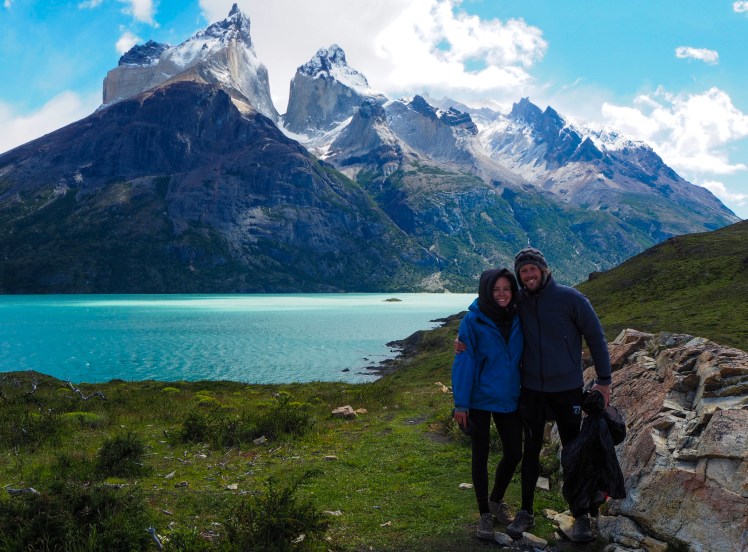
We took the catamaran back across Lago Pehoe and walked about an hour to a lookout with excellent views of Paine Grande and the Cuernos – a great finish to our time in the national park.


OLYMPUS DIGITAL CAMERAdsc_7008-edit-raw

Erin and Andrew
The Lakes District

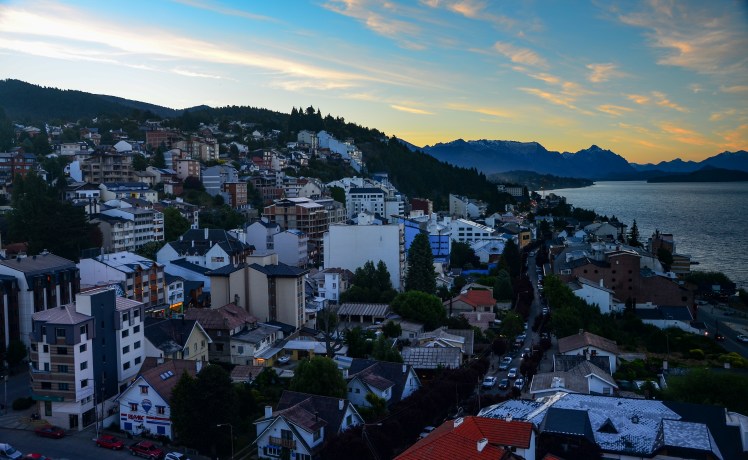
After Pucon we spent a further week in the Lakes District, staying in the German influenced towns of Bariloche (3 nights) in Argentina and Puerto Varas (4 nights) back in Chile.

One of the best parts about staying in these German settled towns was the German style beers. South American beers tend to taste like a watered down Heineken, so it was good to enjoy a few decent drops for a change. For anyone wanting to try at home, we recommend the Kuntsmann (hehe) Gran Torobayo and the Austral Calafate Ale.

We first visited Bariloche, where there is a real dark side to the German influence, as a number of Nazis fled there following World War 2, and even rose fairly high in the towns’ social circles. We were amazed to learn that these Nazis were welcomed by the Argentinian Government at that time, who were happy to ignore their past atrocities and saw them as highly skilled professionals across a variety of fields – basically a skilled migration intake. There is even a conspiracy theory that Adolf Hitler hid in Bariloche post-1945.

Thanks to the picturesque location on the Nahuel Huapi lake, delicious Swiss-inspired chocolate shops and (borderline kitschy) chalet style architecture, it’s fairly easy for tourists to be oblivious to this history, and the city is a very popular hiking destination in the summer and ski resort in the winter.

dsc_5199-edit
Bariloche

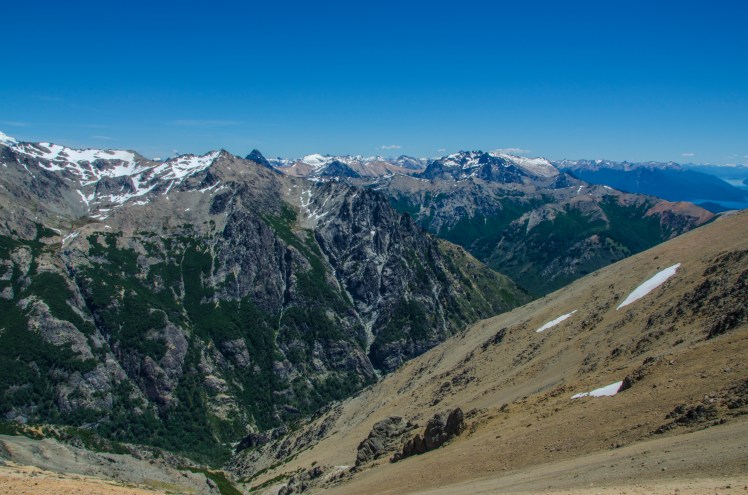
It was in Bariloche that we finally caught up with Peter, after having planned to meet him in Valparaiso a week earlier. Peter had nearly finished his trip, and it was good to hear about his travels and get some recommendations for our trip going forward. The main activity that all three of us did was a spectacular walk in the Nahuel Huapi National Park, which featured a frantic 12km dash down the valley to ensure that we didn’t miss the last bus back to Bariloche.

img_3084-1

dsc_4991-edit-raw
Nahuel Huapi National Park

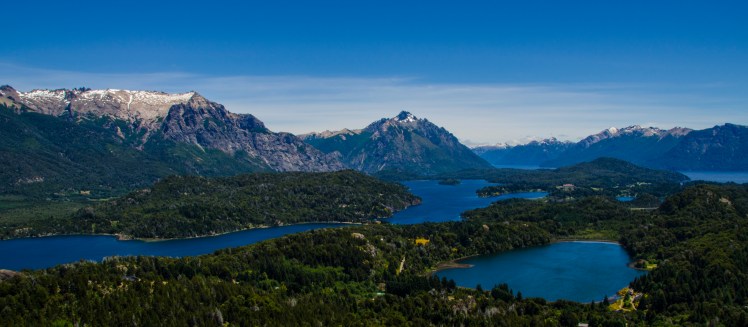
Apart from the big hike, we wandered around the city centre enjoying some free samples from the chocolate shops, and also walked up Cerro Campanario, which we thought gave better views than any viewpoint on the hike the previous day.

dsc_5208-edit-raw
View from Cerro Campanario

Obviously the brief excursion into Argentina meant two border crossings. Both of the crossings were somewhat similar in that they were located in very scenic areas and induced some mild anxiety for us. Upon entering Argentina, the immigration official was very unconvinced by Erin’s passport and thoroughly examined it page by page, asking colleagues for their opinion, while we patiently waited. On the way back into Chile, a country with strict laws on food importing, sniffer dogs checked every bag entering the country, and after three of our four bags had passed without incident, the dogs got very excited by Andrew’s daypack. The reason for the dog’s excitement was an old apple core, and he had to fill out a new entry form declaring that he had bought food into the country or be fined $200.

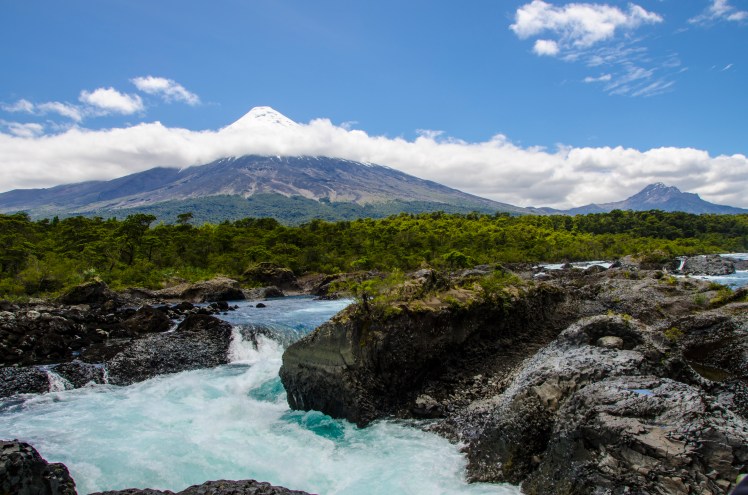
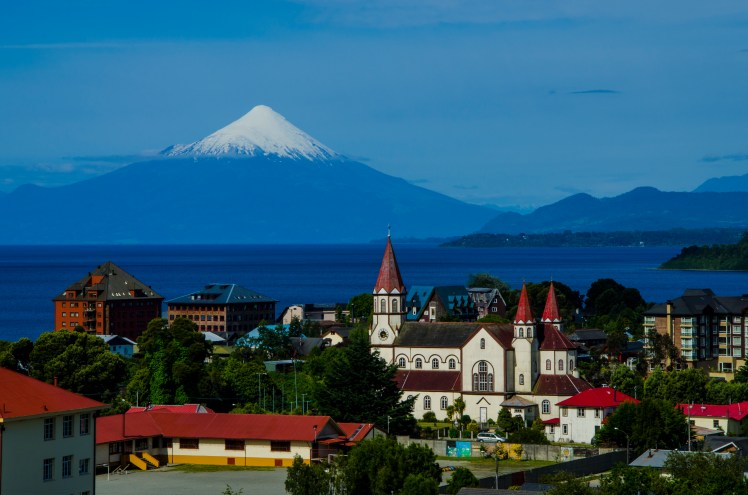
Back in Chile, aside from the German influence and historical buildings, Puerto Varas was much like Pucon. The similarity between these two Chilean towns extended to the weather, where much like Pucon, our first few days in Puerto Varas were overcast. This again meant the main drawcard of the town (Osorno Volcano in this case) was not visible initially, which allowed us to appreciate the view from the town centre even more when sky finally did clear.

Puerto Varas ended our very enjoyable one and a half weeks in the Lakes District, and from there we flew down to the wet, cold and windy but spectacular Southern Patagonia, where we’ll be spending the next few weeks.

dsc_5497-edit-rawdsc_5558-edit-rawdsc_5614-edit-raw

Andrew and Erin
On Volcanoes and Tinder

While in Pucon I’ve spent a bit of time thinking about a close mate of mine. For the sake of anonymity, let’s call him Leigh D… or Mr Dennis. To clarify, I haven’t been thinking about Leigh Dennis so much as I’ve been thinking about his Tinder strike rate, which is comparable to my football kicking efficiency (i.e. very poor).

Pucon is located a 12 hour (overnight) bus ride from Valparaiso, around 780km south of Santiago. It marks the northern edge of the lakes district, which features numerous stunning blue lakes at the base of snow-capped volcanoes.

In summer, particularly January, Pucon can get booked out days in advance, as it’s a popular destination for both Chileans and Gringos. Apparently the Chileans come for the lakeside “beaches” while the Gringos come for the 2,860m high Volcan Villarrica – an almost symmetrical volcano that is one of the most active in South America, having last erupted in 2015.

Much like Queenstown in New Zealand, Pucon is a town that appears to be almost entirely based around outdoors tourism (although not quite as tailored towards extreme sports as Queenstown). Tour companies are located all over the main street, and the ratio of bars to permanent residents is very high. While both Erin and I have no interest in extreme sports, we find that we generally enjoy these towns, due to the beautiful scenery and great walks that tend to be on offer as well.

Unfortunately, for almost the duration of our stay in Pucon it was cloudy and we couldn’t see the Villarrica volcano. For a town that seems to exist purely because of this volcano, and lacking any character of its own, this wasn’t ideal.

Despite not being able to see the volcano, there were plenty of reminders about its presence. For instance, the street signs:

img_3799

There were also maps displaying safe evacuation areas, and the daily testing of what we can only assume was the volcano alarm.

With not much doing in the town, two days in a row we caught the hour long bus to the Huerquehue National Park. The park is known for having stunning views of up to five volcanoes. We wouldn’t know because of the clouds. Luckily there were some other attractions in the park, including some pretty nice lakes and strange looking native plants. If nothing else, spending two days hiking through the national park was good practice for the multi-day trek we plan on doing shortly.

dsc_4637-edit
Walking in Huerquehue National Park

On our third morning in Pucon, we awoke to blue sky from our tiny loft room, and for around 10 minutes the sky was clear and the volcano was visible as we madly snapped pictures from the balcony of our hostel.

dsc_4607-edit-raw
First sighting of Villarrica

This brief sighting of the volcano is what got me thinking about Leigh Dennis. Our experience in Pucon felt like his experience on Tinder – predominantly unhappy with a brief moment of joy. And I wondered whether I’d enjoyed Pucon, and whether or not Leigh Dennis enjoys Tinder. For me, the 10 minutes the volcano was visible were amazing, and made it worth visiting Pucon, although I understand if people think otherwise. Maybe I should just ask Leigh Dennis what he thinks. Although for him it probably depends if the volcano erupts or not.

Andrew
Postscript: I wrote this post while on the bus back from our second day in the Huerquehue National Park. At that stage in the three full days we had been in Pucon, the volcano had been visible for about 10 minutes. When we got back to Pucon that afternoon, the weather had cleared up and that evening and prior to our departure the next morning we had fantastic views of the volcano. So if you read this Leigh Dennis, hopefully your Tinder experience and our Pucon experience continue to run hand in hand and your luck should change soon!

dsc_4679-edit-rawdsc_4793-edit-raw

Valparaiso

We visited Valparaiso on our trip 3 years ago and I absolutely loved it. In fact I still remember saying that I had to return someday. So when we were planning our trip this year, Valparaiso was on the top of the list of places for us to visit in the first couple of months. On the bus from Santiago I was getting incredibly excited to experience this city again.

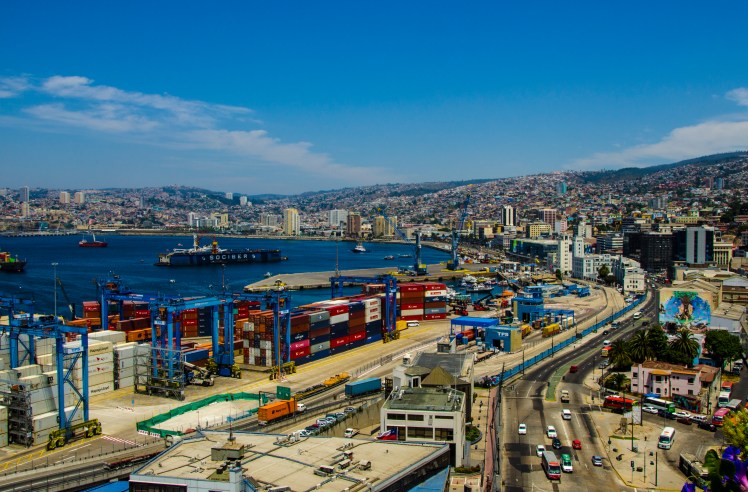
Valparaiso is a port city that consists of a flat commercial area near the water, along with a number of hills upon which most of the residents live. As we started the 30 minute walk from the bus station to our hostel, we manoeuvred through crowds of people along the main street of the flat area of town, dodging the ground level market stalls and the occasional stray dog. It was all very chaotic. I began to wonder whether my impression of Valparaiso had been enhanced in my mind over time. Perhaps nostalgia was playing tricks with me?

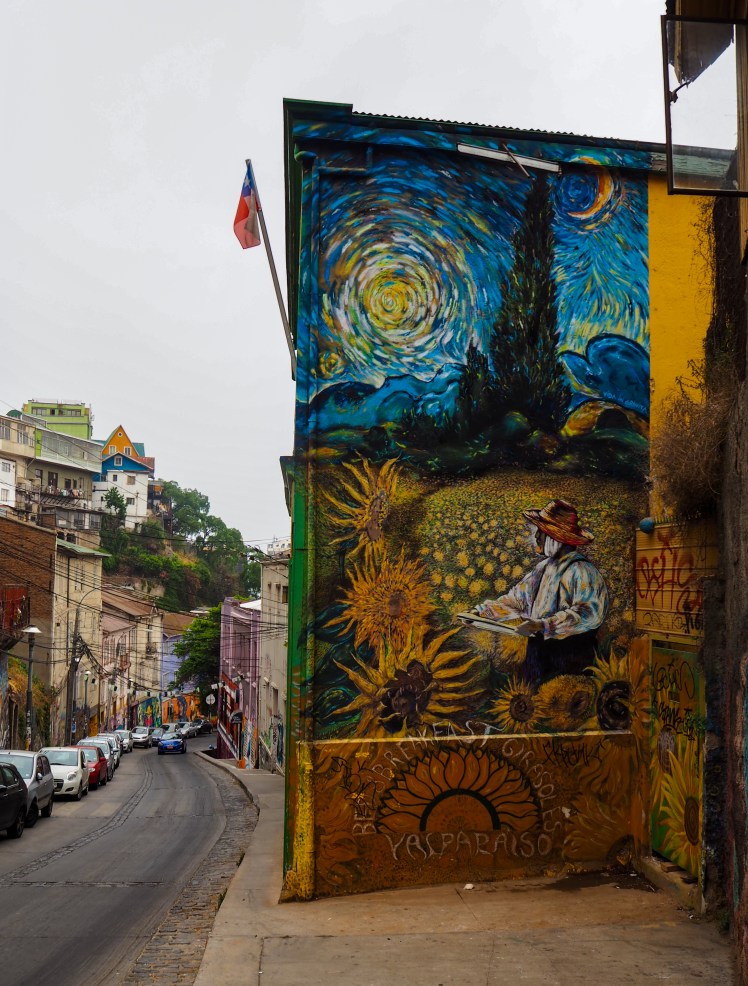
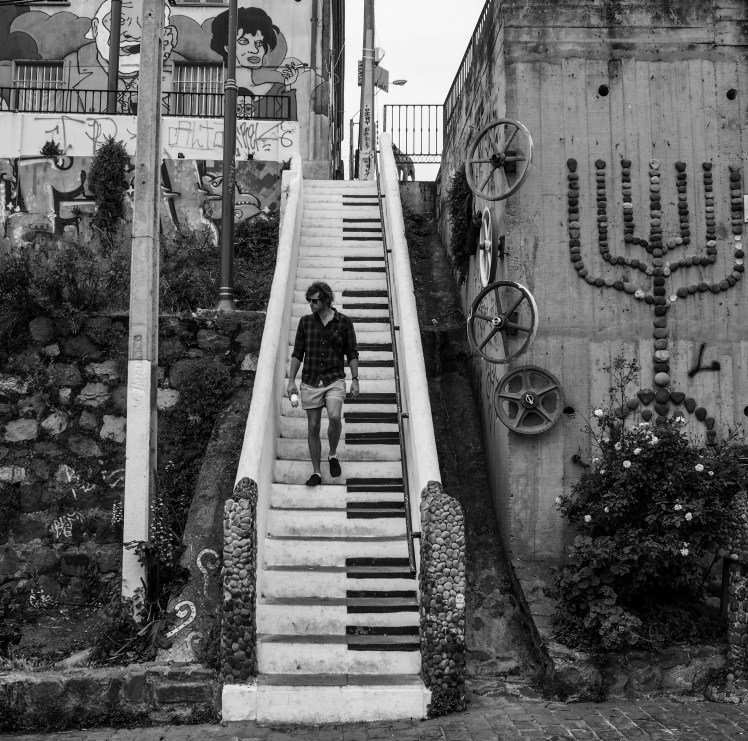
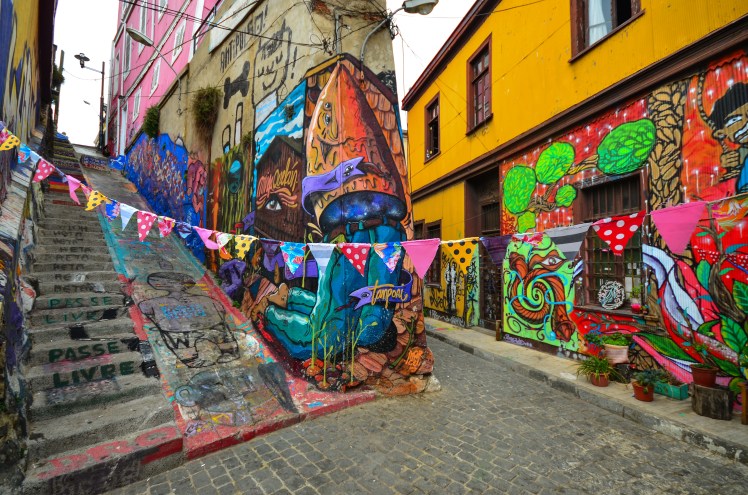
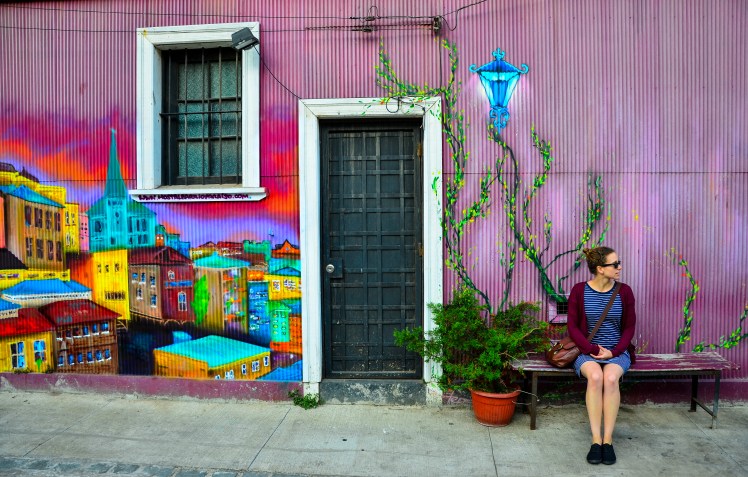
Fortunately, as we turned left up the steep streets heading to the hills, or ‘cerros’, I was reminded of what made me fall in love with this place. The walls of cafes, hostels and shops were covered in street art and many buildings were painted vibrant colours. After dropping off our bags, we continued to wander the streets of Cerro Alegre and Cerro Concepcion and found some of these delights:

OLYMPUS DIGITAL CAMERA

dsc_4200

OLYMPUS DIGITAL CAMERAdsc_4461-editdsc_4208-edit

Valparaiso was once a thriving port city, however this changed with the construction of the Panama Canal, which had a crippling effect on the local economy. Nowadays the city is known for the many artists and musicians that have populated the cerros and have created what can only be described as a ‘vibe’. I am not normally a fan of using such vague terms, however this really does describe Valparaiso well. Everywhere we walked we could hear music coming from windows.

Alegre and Concepcion are definitely the most ‘touristy’ areas of Valparaiso. Although I really enjoyed seeing the artwork in these areas, given our experience in the area near the bus station, I couldn’t help but wonder whether these cerros weren’t necessarily a reflection of the character of the greater town. As we continued to explore away from Alegre and Concepcion, I quickly realised that the artwork was far more widespread. The charm of Valparaiso was evident wherever we walked. The more time we spent there, the more it confirmed how much I enjoy the place. My memories were accurate after all.

dsc_4301-edit-raw

dsc_4360-edit-raw

dsc_4383-edit-raw

Whilst in Valparaiso, we also took a day trip to Isla Negra, one of the poet Pablo Neruda’s 3 homes. We had visited La Sebastiana (his house in Valparaiso) on our previous trip. A very interesting man, Neruda designed his Isla Negra home to resemble a boat due to his love of the sea. Neruda was also in love with Valparaiso and an excerpt of one of his famous poems about the city was mentioned and displayed frequently in town and on artwork.

We are now going to start making our way south through the lakes district of Chile on route to Torres Del Paine in Patagonia. Definitely a change of pace from bustling Valparaiso! I will certainly miss this town and am so happy that we were able to return. Perhaps we’ll swing past again on the way back north.

Erin

Sleepless in Santiago

We both enjoyed Santiago, although after a couple of days we were ready to go somewhere else. Santiago feels like a bit of a gateway city into South America and as a result is an ideal starting place. Chile is the second richest South American country, behind Uruguay. This, combined with the slums being on the outskirts of town and (aside from the trip from the airport) out of sight, makes it feel like you could be in a slightly more run-down city in Spain.

On our second afternoon we spent a couple of hours at the Museum of Memory and Human Rights. While it can be easy to forget walking around Santiago at the moment, less than 30 years ago Chile was in the midst of a 17 year dictatorship, which saw over 3,000 people murdered and as many as ten times that number imprisoned and tortured.

I can completely understand people that feel otherwise, but I’ve always enjoyed going to museums and monuments that illustrate the worst in human nature, such as the concentration camps in Germany, and the museum of human rights in Santiago was no different.

I think one reason I enjoy these types of museums is that they can help put into perspective my own life. Hearing about someone who was so brutally beaten during torture they broke their back tends to make personal problems sound fairly trivial. It also can show the best in human nature, and some of the courage shown by people who were risking their lives to fight back against Pinochet almost certainly brought forward the end of the dictatorship.

The rest of our time spent in Santiago was spent in a far more light-hearted mood. We spent a little bit of time walking around the main square (Plaza de Armas) where Erin ended up in a conversation with a 60 year old local where of the 200 words he spoke she understood about three of them. We also checked out the street art around the Bellavista neighbourhood, which is basically the nightlife area of Santiago.

OLYMPUS DIGITAL CAMERA
Creepy Macaulay Culkin
dsc_4082
Bellavista street art

The arrival of the flight into Santiago was a pretty amazing sight as well. We didn’t get a glimpse of the city until fairly low in the descent and pretty much flying directly above Santiago, due to the smog. A combination of its valley location, huge (around 7 million) population and abundance of inefficient cars means that the city is constantly battling high pollution.

Amazingly, the air was actually clearer than when we’d previously been in Santiago, and for the first time we were able to enjoy great views of the 5,000m+ high snow-capped mountains that surround the city.

We went to the top of two of the major hills in the city area (walking up Cerro Santa Lucia and getting the funicular up Cerro San Cristobal) and enjoyed the views at the top:

dsc_4113-edit
View from Cerro San Cristobal
dsc_4002-edit-raw
View from Cerro Santa Lucia

Probably my favourite view of the Andes from Santiago came from our hostel roof, which was in the aforementioned Bellavista area.

dsc_4076-edit-raw
Sunset from our hostel balcony

In hindsight, the central location and closeness to bars and restaurants made for a great choice of hostel until about 11pm, when the parties were kicking off just as we were planning to get to sleep. This was particularly the case on the first night, when, after sleeping all of 15 minutes on the flight over, I found myself wide awake for five hours through the middle of the night. The loud snoring emanating from our dorm room, the loud music and yelling from what felt like directly outside our dorm window and the stifling heat all felt like they were in a competition to see what was annoying me the most at any given point in time. At one stage I calculated I’d been asleep for under three hours of the last 40. Over and over all I could think about was that this might be my life for the next year. Well, welcome to South America, it might be private rooms for a while now…

Andrew