Bogota and Central Colombia
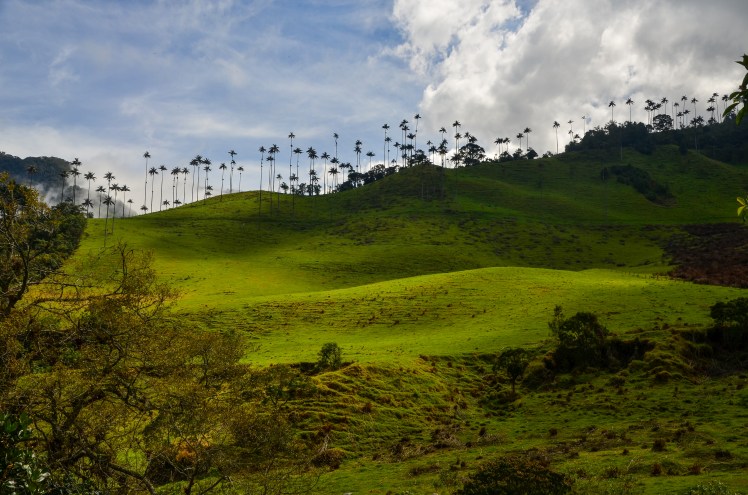
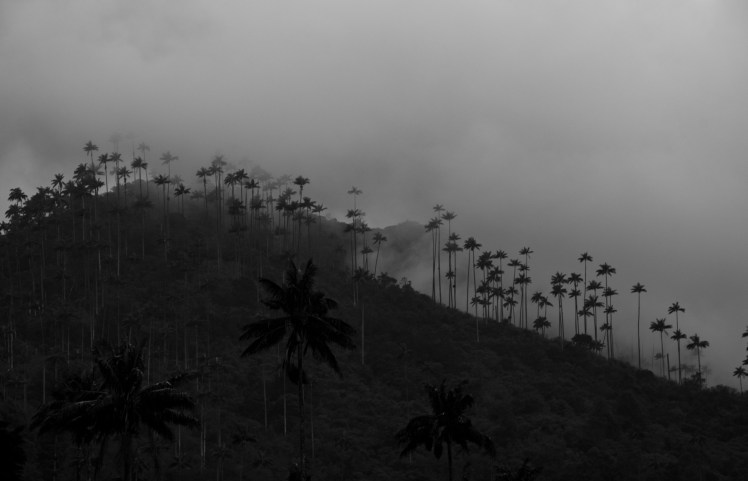
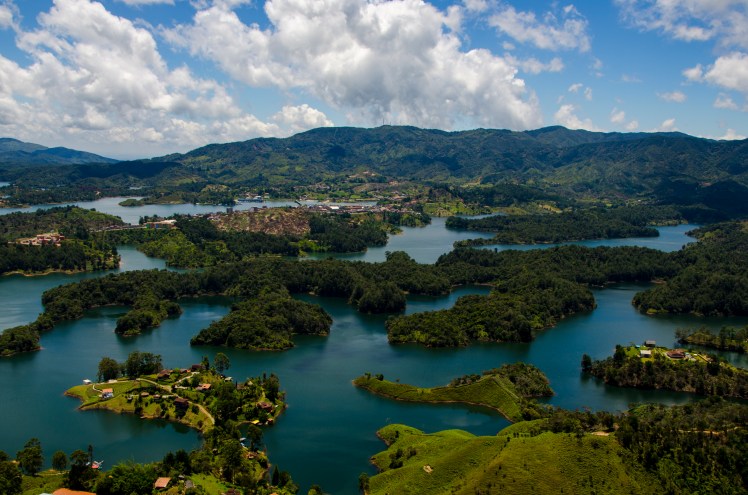
Salento was our next stop after Medellin. The town itself is quite attractive, although less so than Guatape, but both become overrun by tourists on the weekends. Salento is in the Zona Cafetera, an area full of lush green rolling hills and dotted with coffee plantations. Andrew mentioned that Colombia’s landscape facilitated narco activities, and seeing the terrain of this countryside made this fact even clearer, and this wasn’t even thick jungle. We took a tour of one of the smaller permaculture farms owned by a Spanish guy, and Andrew even had the first (and probably last!) two cups of coffee in his life. We played a couple of games of ‘Tejo’, which involves throwing a metal puck at a target which is filled with gunpowder. Good fun. The walk in the nearby Valle de Cocora gave views of 60m tall palms in the mist, which were unexpectedly eerie. I did not think that palm trees could have such a creepy presence.

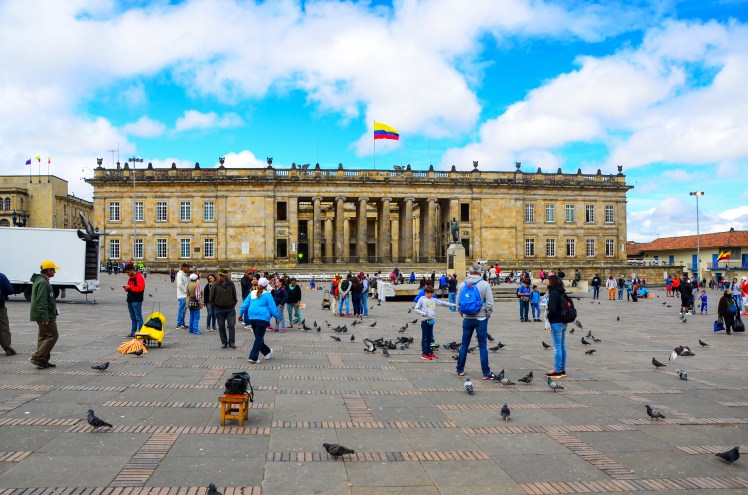
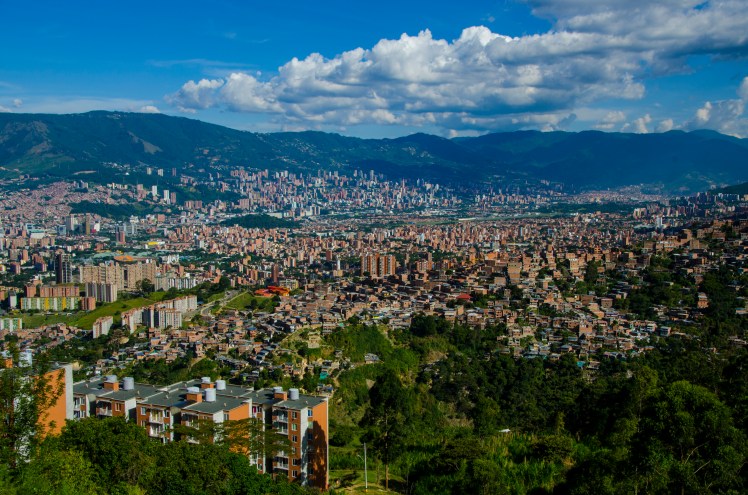
The marked inequality we had observed in Medellin continued to be evident in our next stop, Bogota. The city sits at 2600m above sea level and sprawls north to south, bordered by a short mountain range to its east. Wealth is a sliding scale increasing from south to north, which was obvious after entering the city from the south on the bus from Medellin. The surroundings slowly changed from cramped tin-roof housing to high rise apartment blocks and trendy bars. Further north from the historical centre (La Candelaria), is where the seriously wealthy reside. According to one measure of inequality, Colombia is the most unequal country in Latin America.
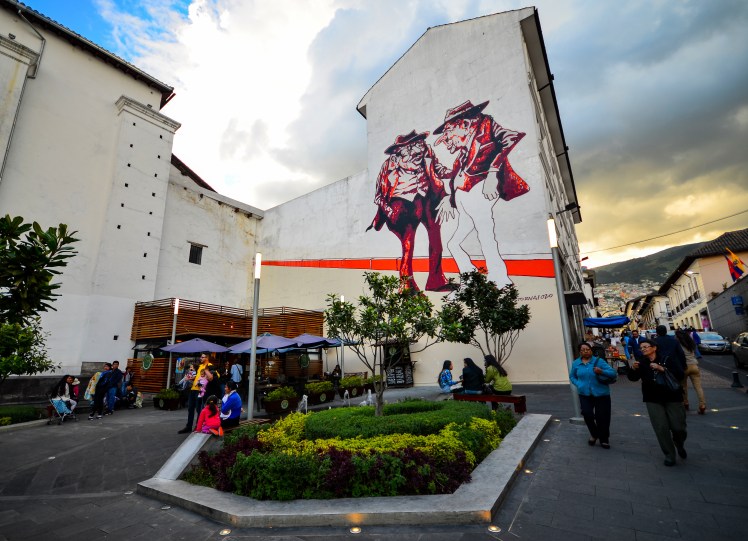
This inequality is a recurrent theme in much of the street art of which Bogota is famous for. After a young street artist was killed by police in 2011, who then attempted to cover up the crime, there was much public uproar. The government responded by relaxing laws surrounding graffiti, allowing the scene to flourish. Many pieces adorn the walls of La Candelaria and in downtown, with those in the latter region being more politically charged. Along with inequality, other themes include international corporations, the environment, indigenous culture and violence in Colombia.
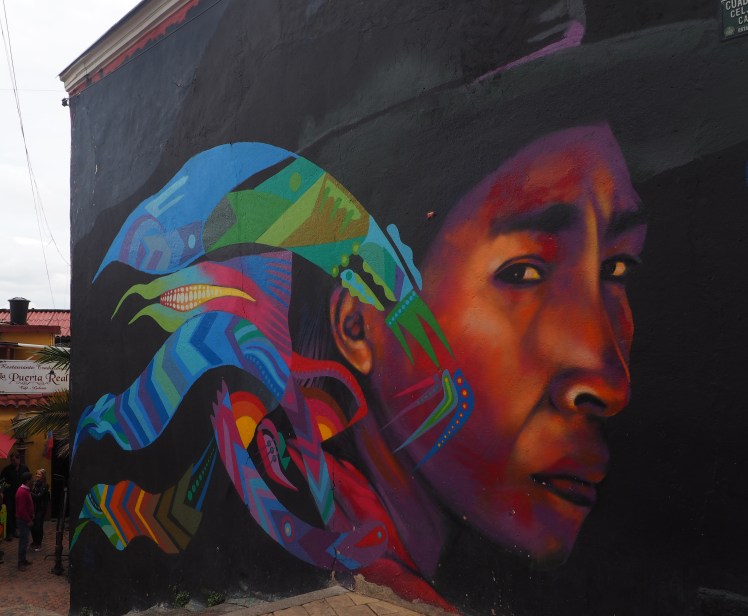
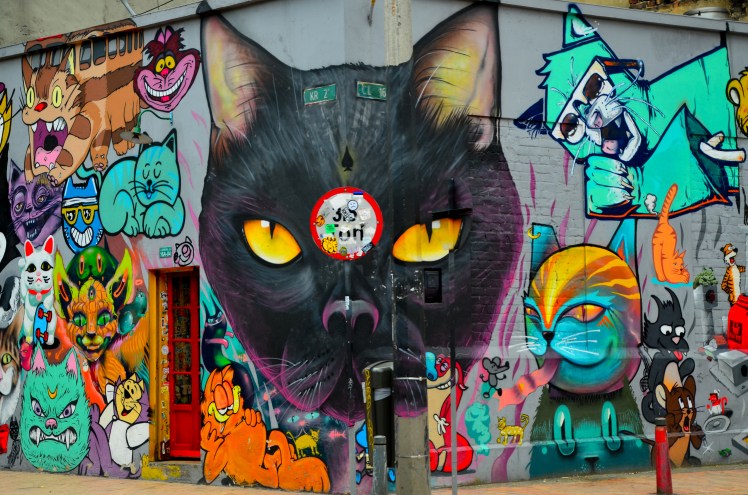
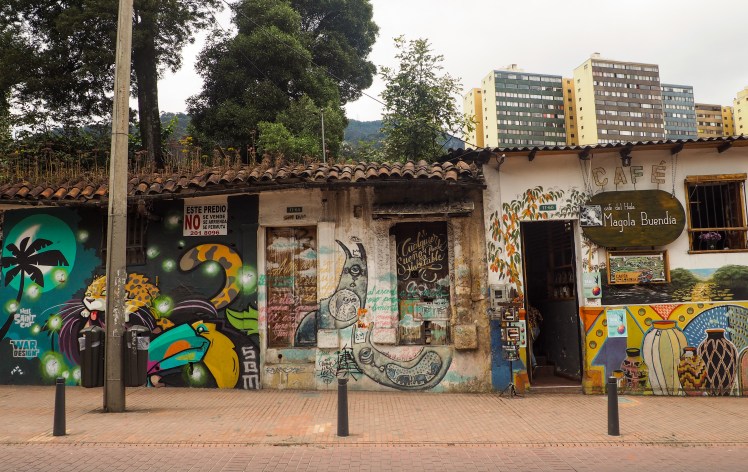
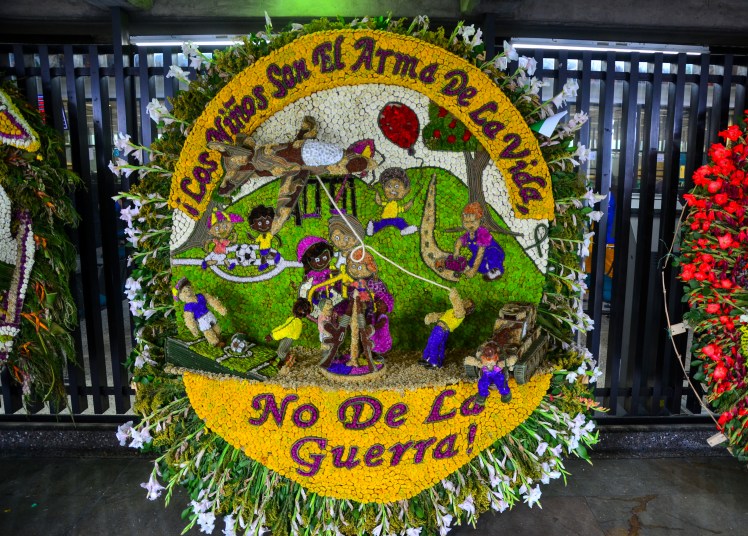
The country’s bloodied history stretches back almost 70 years. Political tensions bubbled between liberals and conservatives in the first part of the 20th century, and when the popular liberal presidential candidate Jorge Gaitán was assassinated in 1948, it sparked a frenzied 10 hours of riots in Bogota (‘El Bogotazo’) and a civil war (‘La Violencia’), which lasted 10 years. One night in Bogota, I looked up some photos taken during El Bogotazo and it was crazy to imagine that such carnage had occurred on the very streets I had been wandering that day. La Violencia ended in 1958, however guerrilla and paramilitary groups continued to emerge. Towards the end of the 1970s, militant and narco activities became intertwined. Corruption was (and still is) rife. The 2000s saw the horrific ‘false positives’ scandal occur, in which thousands of innocent civilians were murdered by the military. The bodies were passed off as guerrilla fighters in an effort to increase the apparent success of the fight against these groups. There was a financial incentive for the military to report more killings.

Colombia is hopefully on the cusp of a new era. In December 2016, a peace deal with the guerrilla group FARC was reached after lengthy negotiations and an unsuccessful referendum. The group finished handing over their weapons to the UN in June of this year. However, many citizens are not celebrating just yet. They fear that negotiation of the peace deal with FARC will not be the end of the trouble, and that other violent militant and guerilla groups will fight for control of previously FARC held land.
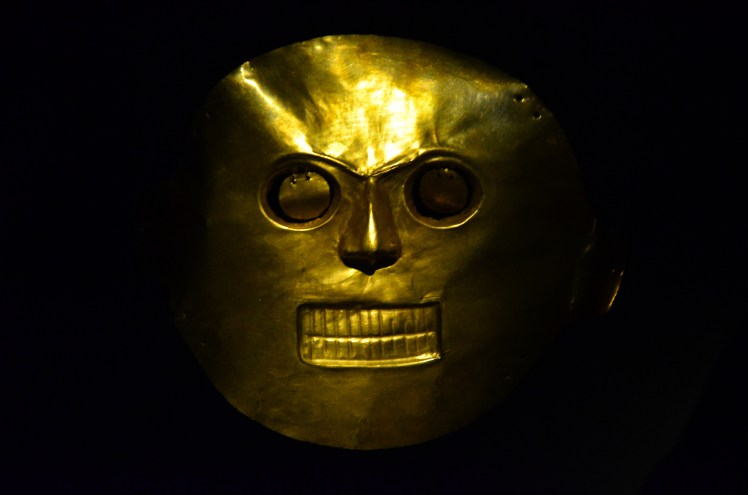
Whilst in Bogota we did a graffiti walking tour and visited the Museo de Oro (Gold Museum), which detailed the use of gold in the country in pre-Colombian times. One to two days would have been more than enough time spent in the city, however we spent a couple more than this as I had to navigate the somewhat frustrating Colombian health system. I needed to see a doctor about the reaction I had in the Amazon in May. We first tried to just show up at a couple of clinics at one of the hospitals, but it turned out it was a public holiday and none of them were open. Appointments could not be made online to most doctors, and of course the booking function on the website for one that did accept reservations was not working. I called a clinic to book, only to be told to call back in the morning and when I did, I was told again to call back in three hours because the receptionist couldn’t make appointments without the doctor there (what is the point of a receptionist?). Finally, we tried just turning up at a different clinic and I got in straight away, I think because I was paying cash whereas most Colombians use insurance. I felt very uncomfortable being called in for the appointment ahead of people who had been waiting before me. In the end, because EpiPens are not available in Colombia, we needed to be taught how to use a syringe and vile of epinephrine in an emergency. I have to say, the doctor I saw was excellent though, and the meds were only $4 AUD! I just wonder what the experience of Colombians is like in similar situations.
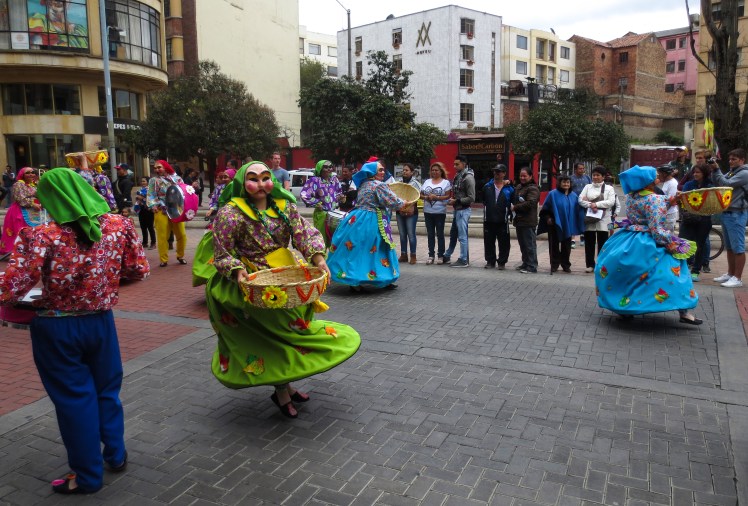
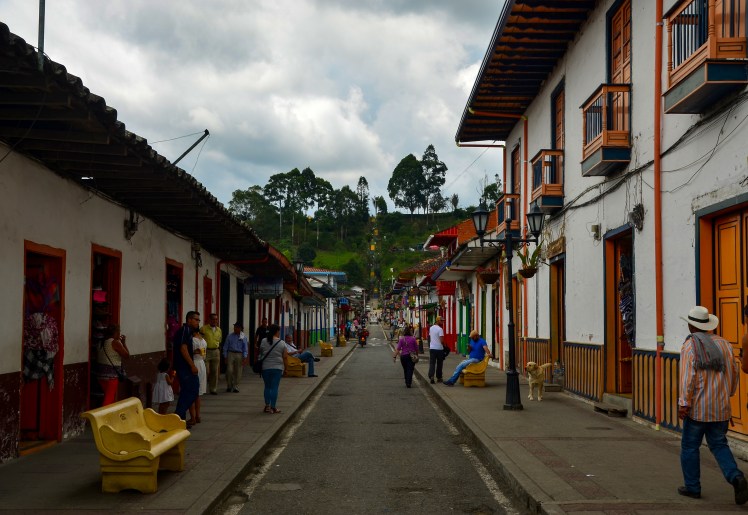
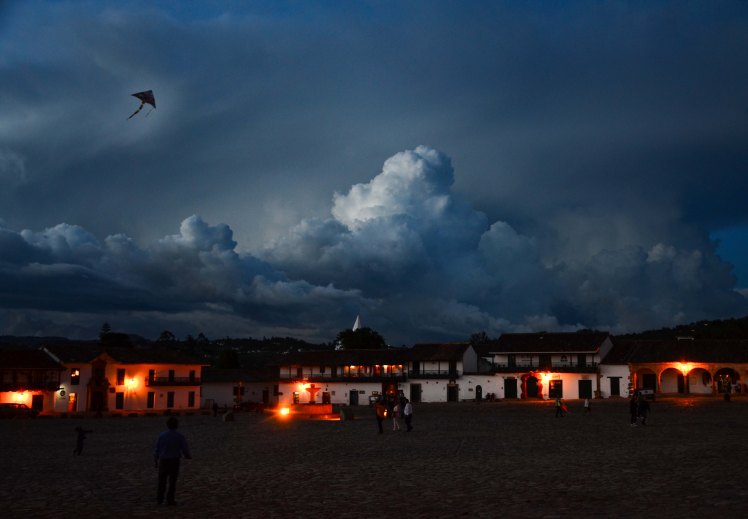
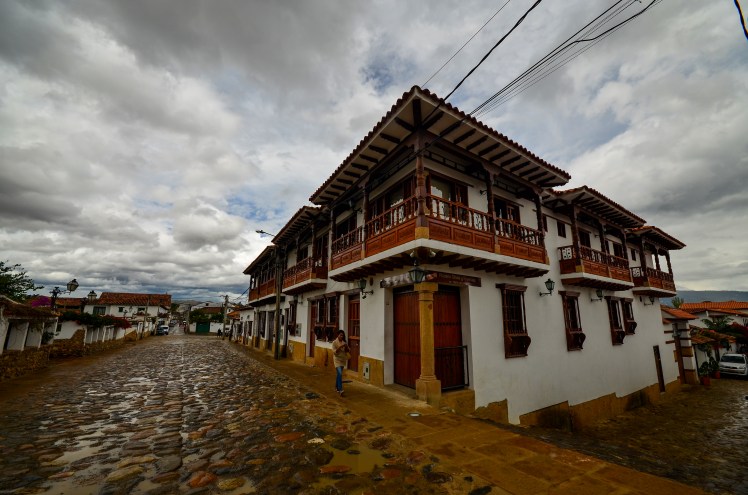
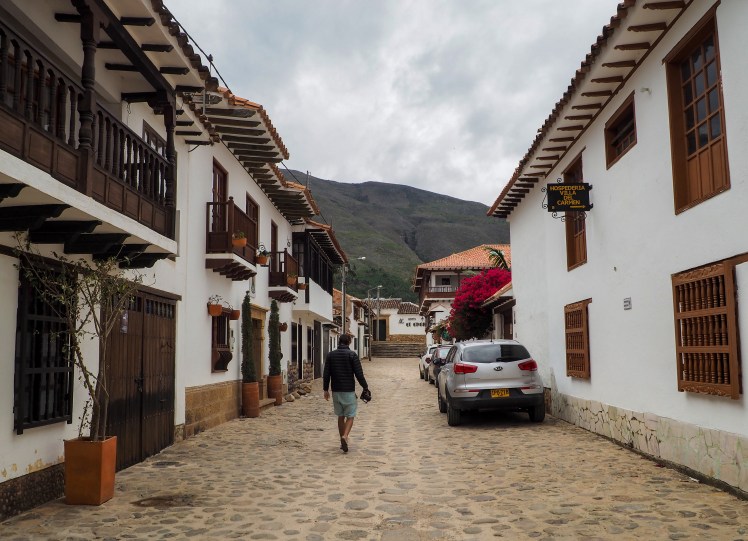
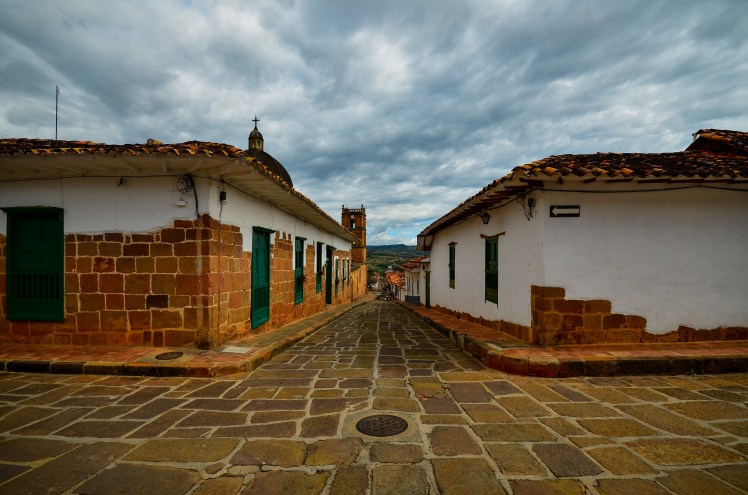
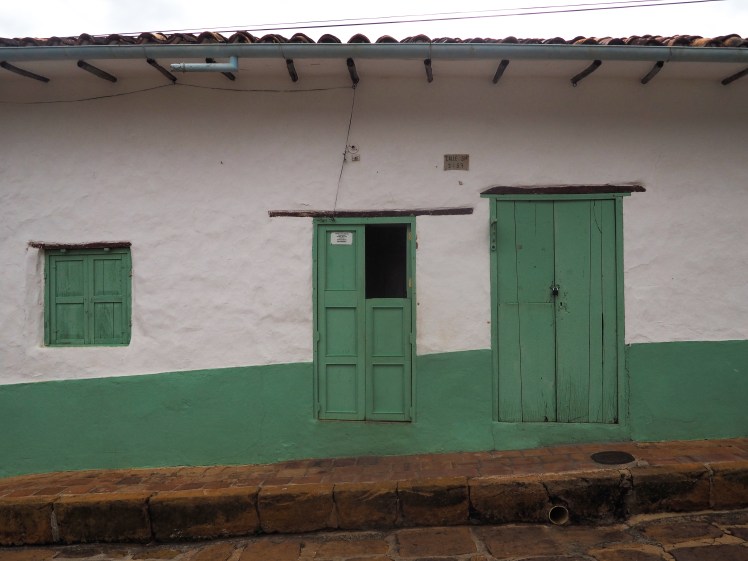
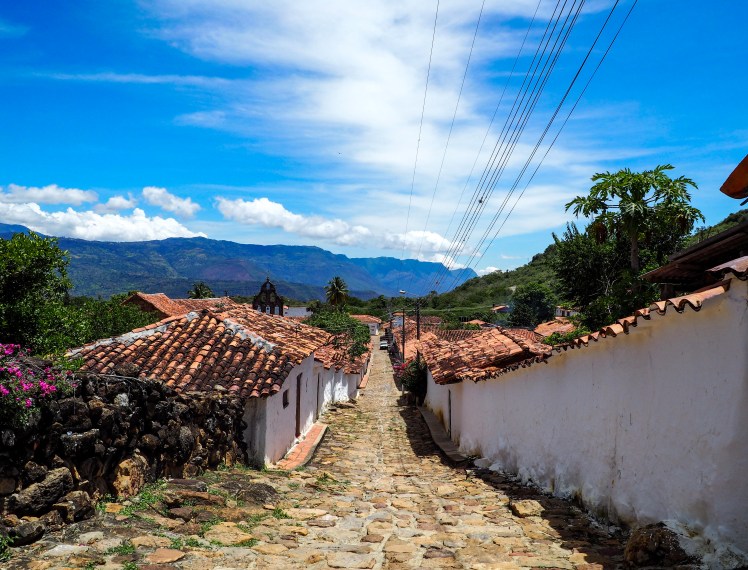
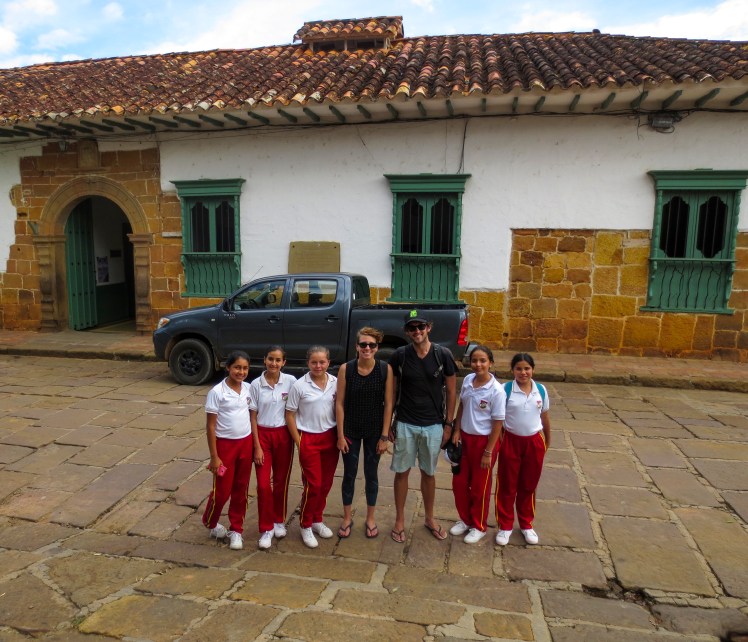
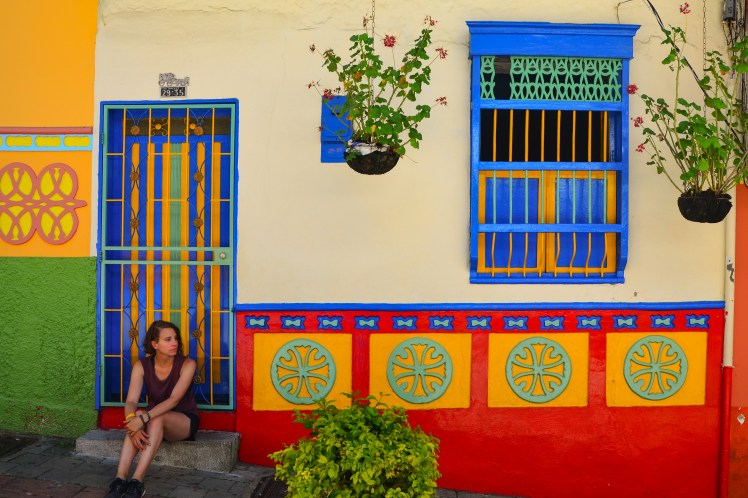
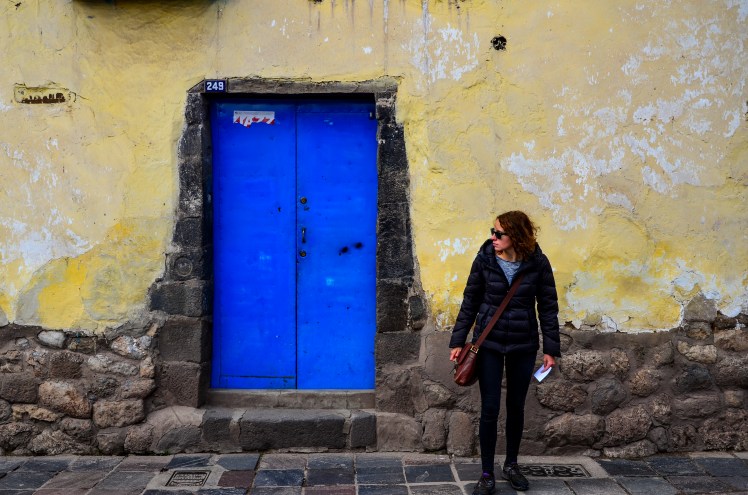
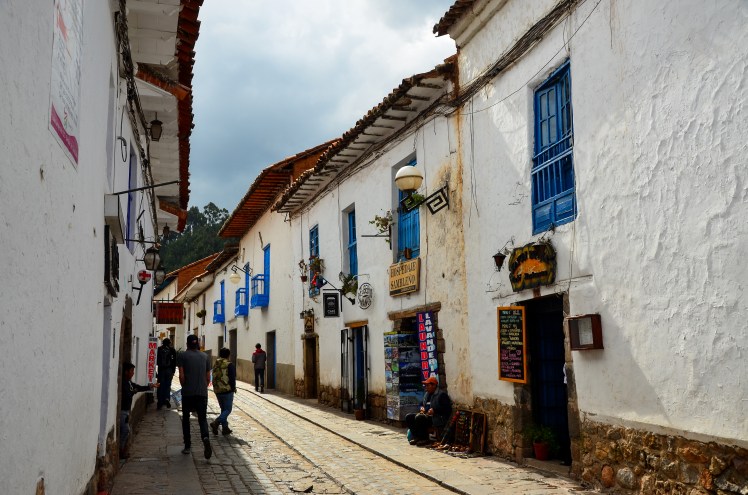
After finally leaving Bogota, we visited two lovely old colonial villages on our way to the Caribbean coast, Villa de Leyva and Barichara. Both reminded me of Sucre in Bolivia, although the colourfully painted front doors and window frames were typically Colombian. The local people of these two little towns were very friendly and although you can never generalise your experience with a handful of people as being reflective of an entire nation, friendliness has definitely been a theme in Colombia so far. I can only hope that the post-FARC strategy is well managed and that Colombian people are finally rewarded with the peace that they have been seeking for such a long time.
Erin















 dred
dred 
You must be logged in to post a comment.