I like numbers. They cut through biases and emotion and deliver the cold hard facts of a matter. So here’s a few facts for you:
- The number of bird species in the Australian Capital Territory (ACT) is 217, well above the 95 recorded in the Galapagos Islands.
- The number of different reptiles in the ACT is 52, compared with 39 in the Galapagos.
- There are 33 land mammals in the ACT. In the Galapagos, there are only 6.
- Including flights, the cost of entering the Galapagos marine park is roughly $520. The cost of visiting Namadgi National Park in the ACT is less than $10.

The question must therefore be asked. Why is the Galapagos so famous as a wildlife area when the ACT has more animals and is much cheaper? There are really only four possible reasons why.
- Darwin
As most of you would know, English naturalist Charles Darwin’s observations during his trip to the Galapagos heavily influenced his bible of Atheism, On the Origin of Species. Maybe this is why far more people choose to view wildlife in the Galapagos than the ACT.
One species that was central to Darwin’s observations was the now named Darwin Finch. Only one species of Finch settled in the Galapagos, and Darwin observed that on each island the Finches had adapted differently. As of today, there are now 17 different species of Darwin Finch on the islands.
I saw hundreds of Darwin Finches while in the Galapagos. When Darwin sees Finches, he sees an idea that will revolutionise humankind. When I see Finches, I see a lot of skittish birds that look the same. And then I feel stupid.
Analysis: Darwin is not a reason that the Galapagos is a better wildlife destination than the ACT
- Surfing
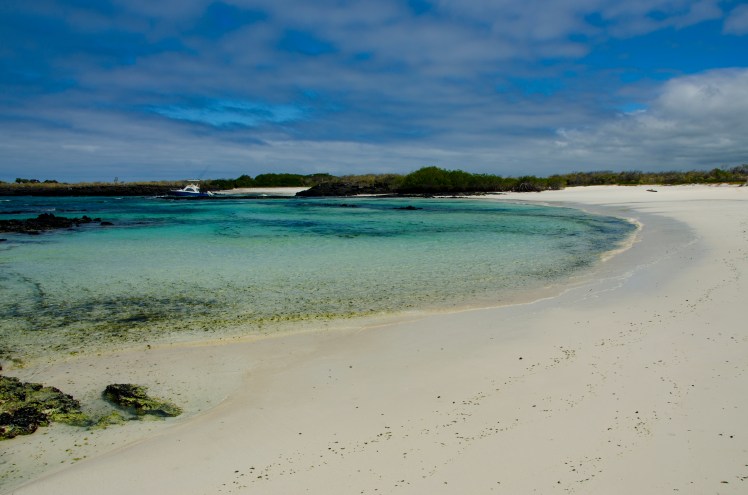
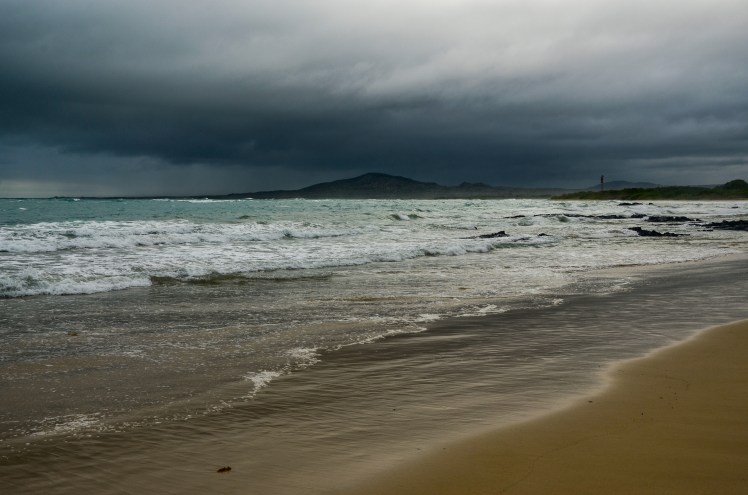
Maybe I had it wrong from the start, and it’s not the animals but the quality surfing spots scattered around the islands that make it such a famous tourist destination.
These waves, however, aren’t breaking close to towns, so it’s probably over an hour for you to organise a water taxi and start surfing. There are quality surf spots only two hours from the ACT, and you don’t need a combination of flights and then a boat to reach them.
Analysis: It is not reasons other than wildlife why the Galapagos is a more famous travel destination than the ACT.
- Endemism
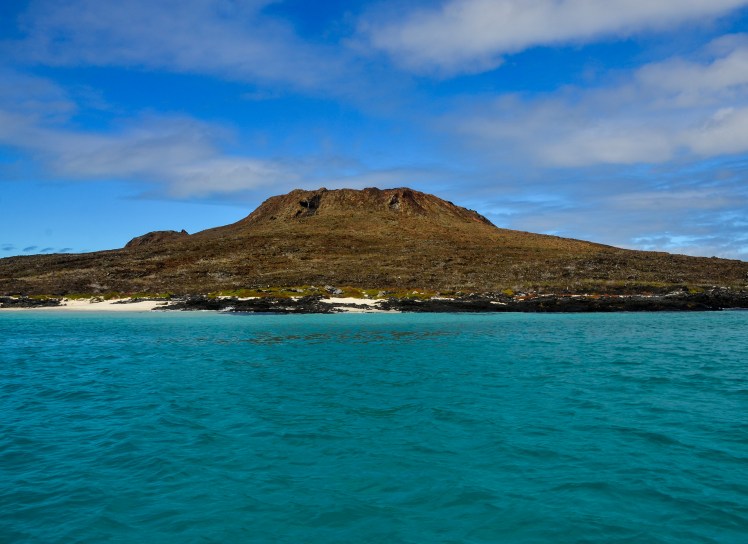
The Galapagos Islands were formed by volcanic eruptions in the ocean and at no stage in their history have they shared a land border with anywhere else. This means that all species that have made it to the Galapagos have had to make a difficult journey by air or sea. It also means that those species that have made it to the archipelago have developed and evolved in isolation. The result is that a significant number of species are endemic to the islands. The ACT currently shares a land border with New South Wales and has no endemic species.
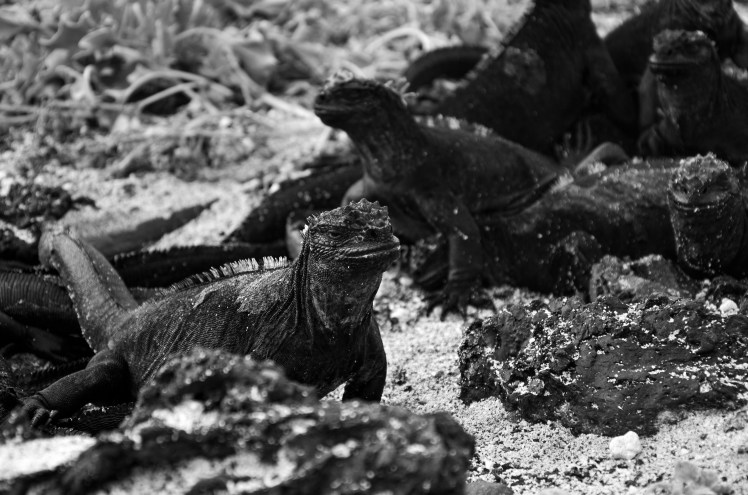
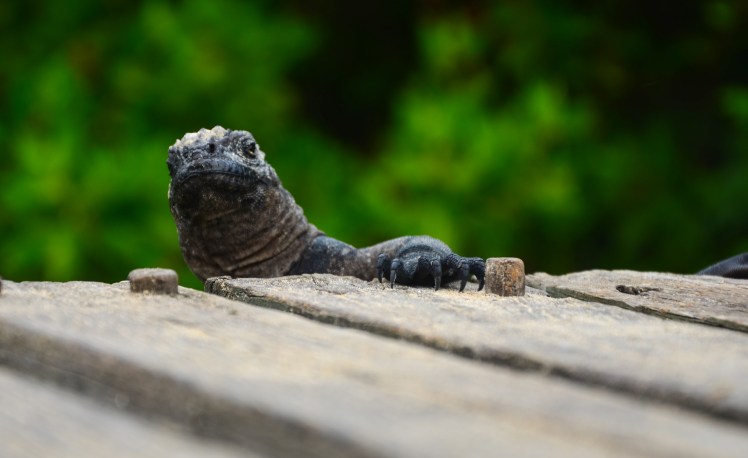
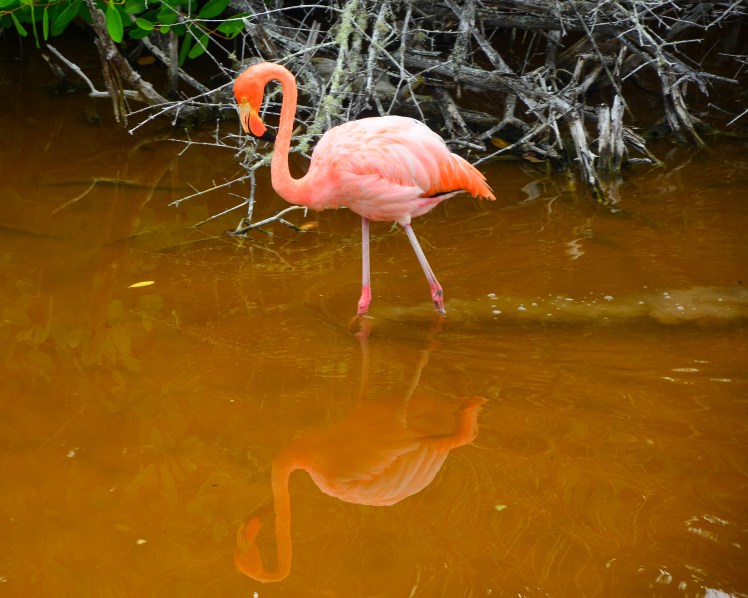
Ok, now we’re getting somewhere. Seeing endemic species is pretty cool. And unlike the Amazon, where you have to sneak around like a thief to see anything, these animals are just as likely to walk towards you as you are towards them. In our 10 days in the Galapagos we saw all the famous endemic species: Giant Tortoises, Galapagos Land Iguanas and Marine Iguanas. We also saw countless endemic birds.
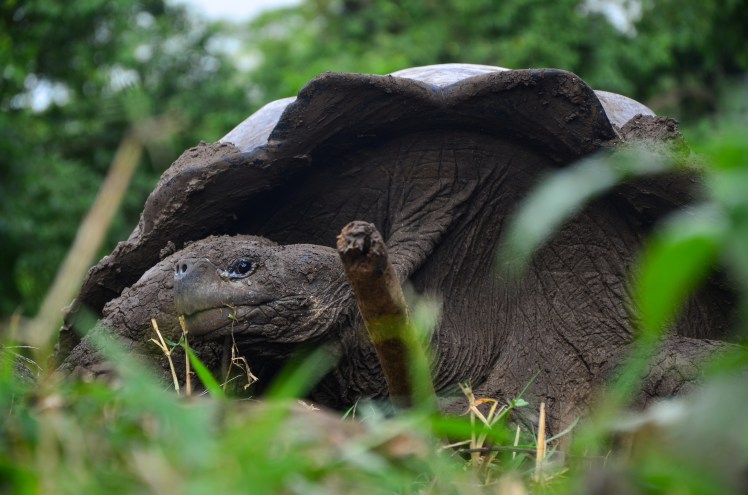
Due to the nature of migration to the Galapagos, most of the land species are reptiles. And this was my only issue with land animal spotting. Reptiles are pretty boring. Mostly they hang around sunning themselves. The Iguanas in particular, once you’ve seen a couple of them, you feel like you’ve seen them all. The Giant Tortoises are a little bit more spectacular – they really are enormous and also it’s incredible to think how old some of them are. But even still I can’t imagine anyone wanting to spend more than an afternoon viewing them.
Analysis: The endemic species are a valid reason why the Galapagos is a better wildlife destination than the ACT, but not if it’s the only reason to visit the Galapagos.
- Marine Life
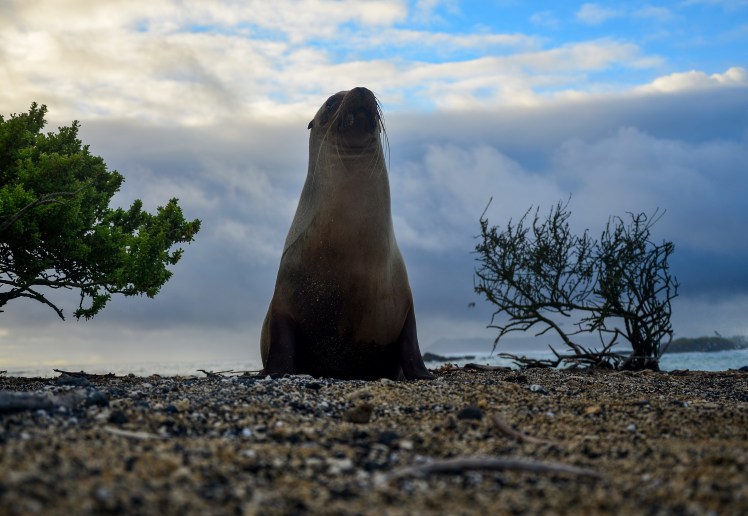
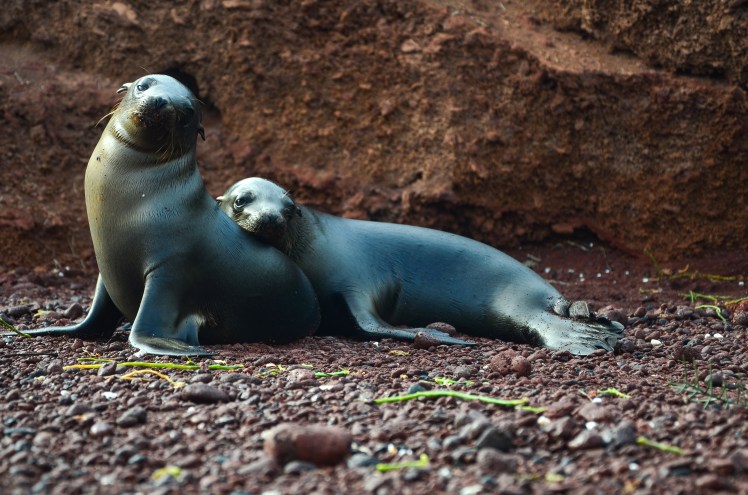
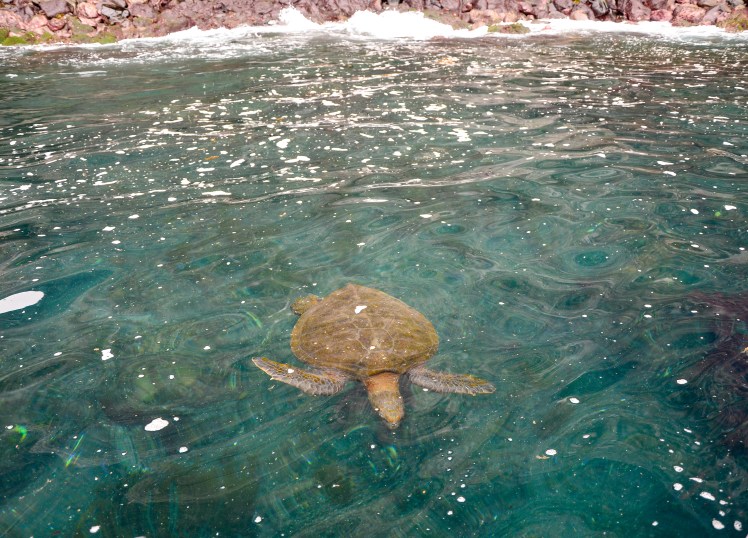
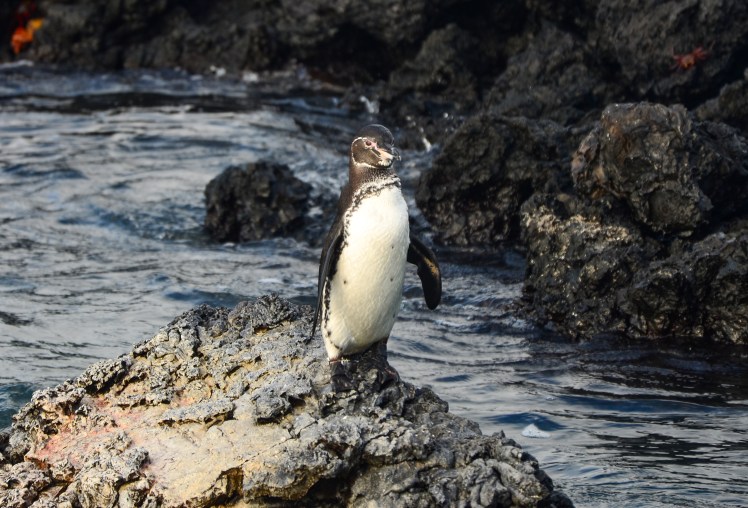
Things you are likely to see underwater in the Galapagos: Penguins, Sea Lions, Sharks, Sea Stars, Octopus, Coral, Colourful Fish, Sting Rays, Orcas, Manta Rays and Sea Turtles.
Things you are likely to see underwater in the ACT: Disease, Carp and for half the year, hypothermia.
Going into our Galapagos cruise, I was aware of the Darwin history and all the endemic animals on the islands. What I wasn’t prepared for was how amazing the snorkeling is. Located on the equator, it has all the colourful tropical fish that you’d expect, but importantly, two cold water currents that hit the islands bring penguins, whales and giant rays.
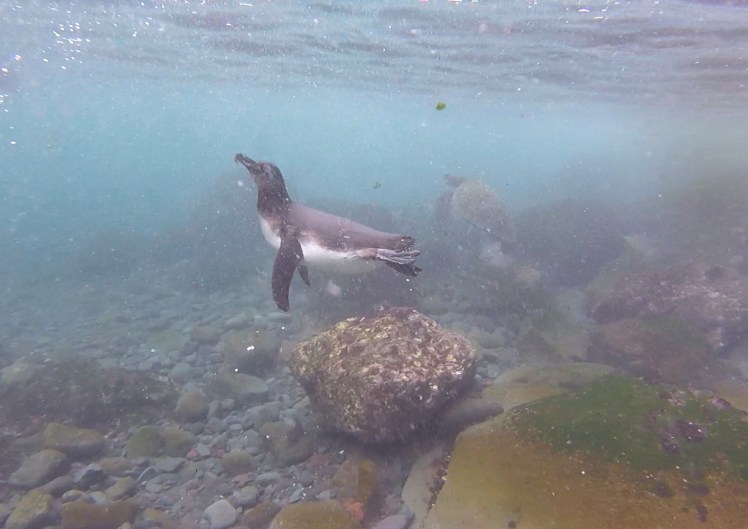
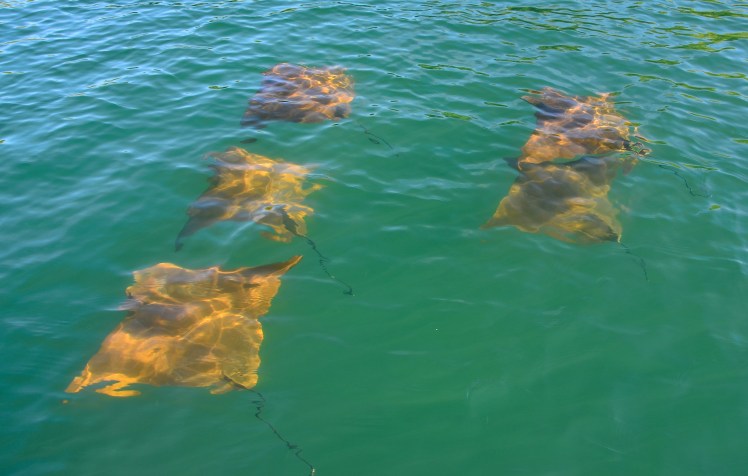
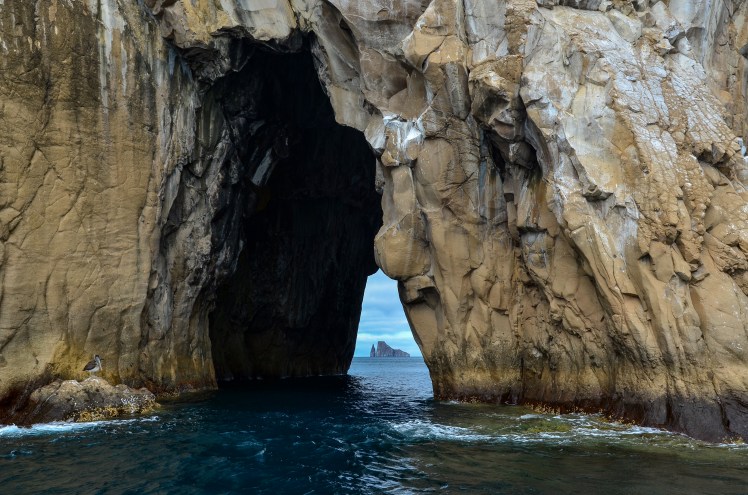
The major decision we had to make during our time in the Galapagos was whether to do a cruise or a land based tour. We ended up doing a mixture of both, spending three nights on the islands after a week-long cruise. The final three days were enjoyable, but every non-cruise experience further vindicated our decision of going on a cruise. You get to visit places that are only accessible to the cruise ships, including the isolated western side of the islands, where we saw an Orca really close up and also an enormous Manta Ray.

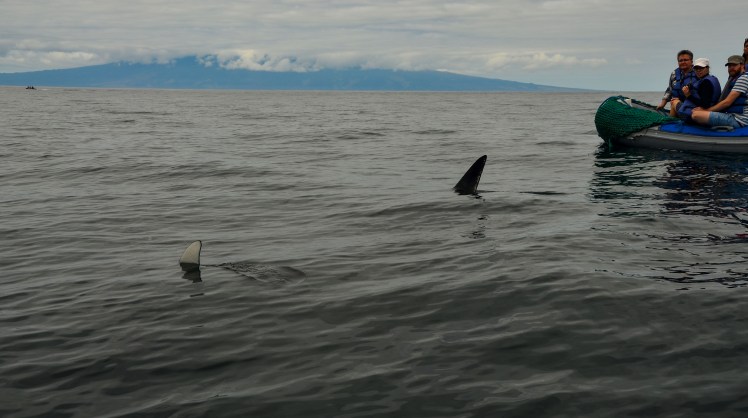
And it’s not just the number of species that you see underwater that’s great, or the crystal clear water, it’s how close you can get to animals and their curiosity that really made snorkeling in the Galapagos so enjoyable. Scenes such as a penguin 30 centimetres from my mask engaging me in a staring competition, a sea lion doing backflips for fun right in front of me, or a white tipped reef shark leaving an underwater cave effortlessly propelling itself through the water are things that I’ll not forget for a long time.
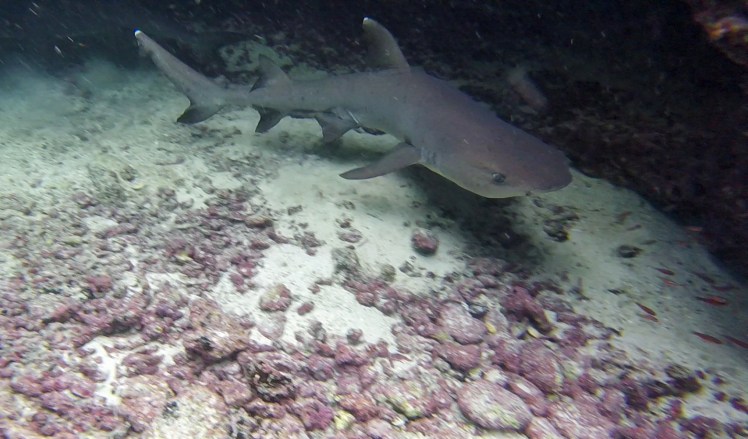
We ended up snorkeling more than 10 times on our trip, and it felt like there was something new to see each time. I’d never really seen the attraction of snorkeling before. Looks like I’ll need a trip to that big reef when I get back to Australia…
Analysis: The Galapagos is pretty great
Andrew
 dred
dred 
What about a photo of a flightless cormorant???
And no mention of your wonderful travelling companions!!!
LikeLike
Yeah flightless comorant was an oversight. No room for people mentions tbough.
LikeLike
Interesting analysis. May explain the persistence of the Canberra aquarium.
LikeLike